Posts tagged ‘#ArtisticJourney’
When Two Photographic Journeys Cross Paths
An unexpected encounter with photographer Claire Yaffa
October 18, 2026 — Las Olas Art Festival, Fort Lauderdale, Florida
Sometimes life brings the most unexpected people into our path, and often we don’t even realize the significance of the moment until afterward.
Today was one of those days.
I was at my booth at the Las Olas Art Festival, surrounded by my photographs, doing what I love, when a lovely elderly lady stopped by with the person caring for her.
She spent quite some time looking at my work.
We talked a little, and she told me that I was very talented, that my photographs were beautiful, and congratulated me.
Such kind words! We held hands, smiled, and took a photograph together.
It was only because the person accompanying her told me her name that I discovered who my visitor was.
Claire Yaffa.
Naturally, my curiosity got the better of me, and I started reading about her.
And what an extraordinary photographic journey she has had!
Claire began photographing in the 1960s, initially inspired by her young son. What started as a mother’s love for capturing moments eventually grew into a remarkable career in documentary photography.
She worked for The New York Times and the Associated Press, exhibited her photographs internationally, and photographed some of the great masters of photography.
But what fascinated me most wasn’t her impressive career. It was why she photographed.
Early in her journey, the legendary photographer Cornell Capa asked her a simple but powerful question:
“You take pretty pictures Yaffa, what do you want to say?”
That question changed the direction of her photography.
Claire went on to document people whose stories were often overlooked—disadvantaged children, struggling families, the homeless, Holocaust survivors, and people facing extraordinary difficulties.
She used her camera not simply to record what she saw, but to make people feel, understand, and hopefully care.
And that is where I found myself connecting with her story.
Our subjects and our journeys are very different, of course.
Claire’s lens turned toward the human condition, while mine has increasingly turned toward the natural world.
My camera has taken me into forests, mountains, rivers, wild places, and some pretty uncomfortable situations! I’ve chased light across the country, stood in freezing darkness waiting for the sky to come alive, and spent countless hours hoping for just a few seconds of magic.
And somewhere along the way, photography became more than creating beautiful images for me, too.
Whether I’m photographing wild horses, Florida’s manatees, black bears, or the fragile beauty of our natural landscapes, I want people to feel something.
To see the beauty. To recognize its value. To care enough to protect it.
Perhaps that’s something photography teaches us over time.
A beautiful photograph can make someone stop and look. A meaningful photograph can stay with them long after they’ve walked away.
And here we were today.
Two women with cameras in their life stories, from different generations, different experiences, and different photographic worlds.
Her journey began long before mine. She photographed history, humanity, and some of photography’s most influential artists.
Mine continues through nature, wildlife, conservation, and the endless pursuit of light.
For a brief moment, those two journeys crossed in a little art festival booth in Fort Lauderdale.
No grand introduction. No formal conversation about photography’s history. Just a few kind words, a smile, hands held together, and a photograph.
I find that rather wonderful.
I don’t know what Claire saw in my photographs that spoke to her, but I am grateful she took the time to look and to share her encouragement.
After learning about her life, those few words mean even more.
And perhaps the nicest part is that I didn’t know who she was when she said them.
It was simply one photographer appreciating another photographer’s work.
Thank you, Claire Yaffa, for stopping by today, for your kindness, and for reminding me that no matter how many years separate our journeys, the language of photography remains wonderfully timeless.
Our meeting was brief, but the memory will stay with me.
And isn’t that exactly what photography is all about?
Capturing a moment that otherwise would have quietly disappeared.
❤️📷
Zsuzsanna Luciano
The Art of Conservation
When the Moon Gave the Stars Back Their Stage
A Night Beneath the Lunar Eclipse on Lake Michigan
There are nights we photograph.
And then there are nights we carry with us.
Last night was one of those nights.
At nine o’clock, we were standing on what felt like a miniature island in the middle of another world. Lake Michigan surrounded us, stretching toward every horizon, while one lonely lighthouse stood against a pale blue evening sky.
The moon was extraordinarily bright.
For a while, it seemed almost impossible to imagine that anything could dim that light.
The island was deserted. There were no crowds around us, no city noise, no distractions. Just my family, the lighthouse, the enormous lake, and the moon rising above it all.
And then the clouds began to arrive.
At first there were only a few. But as time slowly advanced, more and more came rushing across the sky toward the moon, as though suddenly every cloud over Lake Michigan wanted to touch her.
I watched them race through my viewfinder.
Sometimes the moon disappeared completely.
Then, for a few precious seconds, she would break through again, revealing a little more of her slowly fading face.
I kept taking photographs.
Every opening.
Every disappearance.
Every brief return.
Photography teaches you patience on nights like this. You cannot command the sky. You cannot move the clouds or ask the moon to wait. All you can do is remain present and be ready when nature decides to reveal something.
And slowly, almost imperceptibly at first, the entire night began to change.
As the moonlight faded, the clouds seemed to lose their urgency. Fewer of them raced across the sky.
And stars began shimmering above our heads.
One.
Then another.
Then hundreds.
And suddenly, it was as though someone had turned on a switch.
The Milky Way appeared around us.
It stretched across the darkness like a celestial glory surrounding the moon during her spectacular performance.
I stood there in awe.
Not the kind of awe that requires words, but the childlike wonder that makes you feel incredibly small and, somehow, deeply connected to everything at the same time.
At the peak of the eclipse, I stopped for a moment.
I opened my heart and my mind.
And beneath that enormous universe, I quietly asked our Creator for something very simple.
For gentleness.
For less tension between brothers and sisters.
For deeper love for ourselves, so perhaps we can become more understanding of one another.
For the ability to look at another human being with a little more patience, compassion and grace.
Standing beneath the Milky Way with the darkened moon above Lake Michigan, I felt for a moment as though my soul belonged to something much larger than myself.
And more than anything, I felt grateful.
Grateful that my family was beside me.
Grateful that we were witnessing this together.
Grateful simply to be there.
My thoughts also traveled backward through time.
Long before cameras, astronomy apps and eclipse predictions, other human beings stood beneath this same sky.
I wondered about the Native peoples who lived along these waters generations ago.
What did they think when the moon suddenly began disappearing?
Were they frightened?
Did they understand that it would return?
Did parents gather their children close and tell them stories about what was happening above them?
Did they turn celestial events into songs?
Were those songs passed from grandparents to grandchildren so the next generation would remember the night the moon changed?
I will never know exactly what someone standing beside Lake Michigan hundreds or thousands of years ago felt during an eclipse.
But I understand the instinct to tell the story.
Because that instinct is still alive in me.
I live for moments like this.
To bear witness.
To stand quietly before something extraordinary and then try to translate what I saw—and what I felt—into photographs.
The camera records light.
But I hope the photograph can carry something more.
Wonder.
Silence.
Connection.
Memory.
Today we are driving toward the Port Clinton Art Festival, and my mind is already returning to that tiny island.
I am already imagining these photographs printed large, hanging on a wall.
I can see the lighthouse.
The racing clouds.
The disappearing moon.
The Milky Way emerging from a sky that only moments earlier seemed empty of stars.
And beside those photographs, there will need to be a story.
The story of a night when the moon was so brilliant that the stars seemed to disappear beneath her light.
And then, for one extraordinary moment, the moon stepped quietly into the shadows…
and gave the stage back to the stars.
Yet somehow, even surrounded by the brilliance of the Milky Way, all eyes were still on her.
What a night.
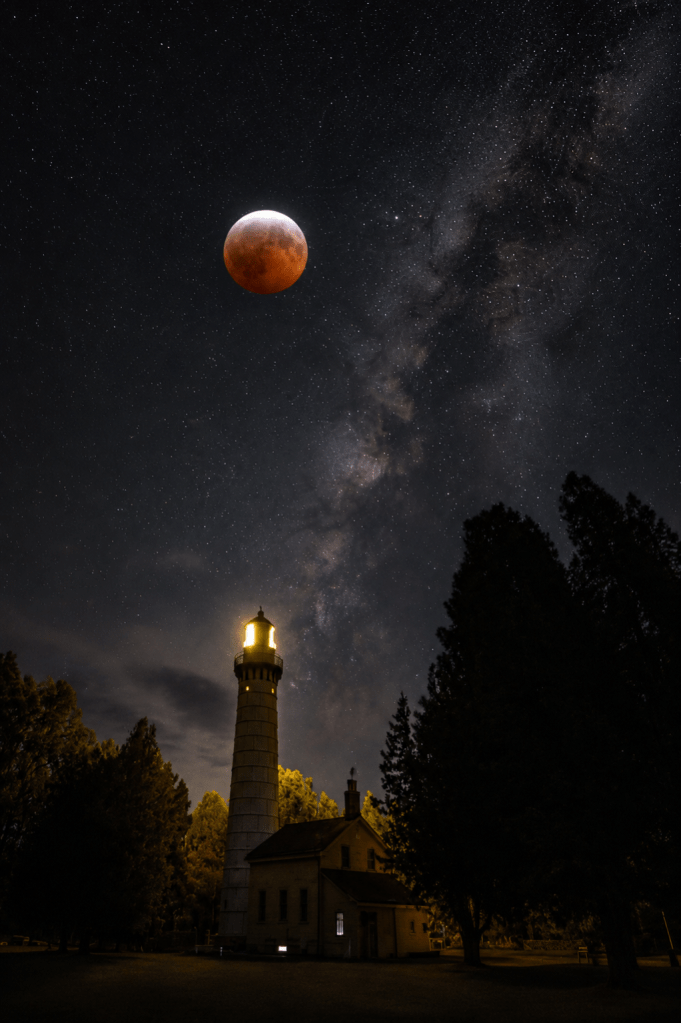
For one extraordinary moment, the eclipsed moon surrendered her brilliant light, and the Milky Way reclaimed the sky above the lonely lighthouse—yet all eyes were still on her.
When a Lake Begins to Forget
A personal journey into the changing heart of Lake Velence

Lake Velence, summer 2026.
Where water once moved through the reeds, the lakebed now holds the memory of it.
There are places we visit.
And then there are places that somehow become part of us.
For generations of Hungarians, Lake Velence has been one of those places.
Children learned to swim in its warm, shallow water. Families spread blankets along its shores and stayed until the evening light turned gold. Fishermen pushed small wooden boats through the reeds before sunrise, returning to the same quiet corners their fathers—and sometimes their grandfathers—had known.
Birdwatchers came for another reason.
They came for the rustle in the reeds.
For the sudden beating of wings.
For herons standing motionless in the shallows and the extraordinary web of life supported by one of Hungary’s most familiar wetlands.
And people like me came simply because we loved it.
But this summer, I returned to Lake Velence and found myself looking at something I wasn’t prepared to see.
The lake seemed to be disappearing.
Not everywhere.
Not all at once.
That somehow made it more unsettling.
It was happening quietly.
Where Water Used to Be
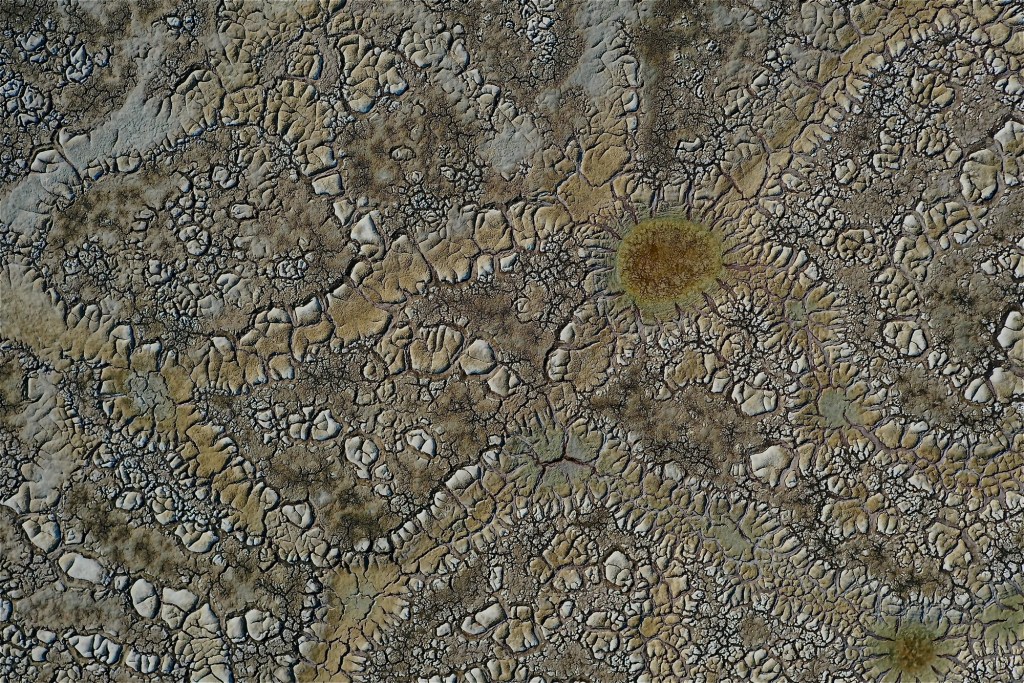
What looks like another planet is the floor of Lake Velence—water leaving behind a fragile mosaic of what once was.
The heat had been relentless.
The air itself seemed tired.
Walking toward the lake, I could smell the reeds warming beneath the sun and feel the dry earth under my feet. Where I expected water, there were stretches of exposed lakebed.
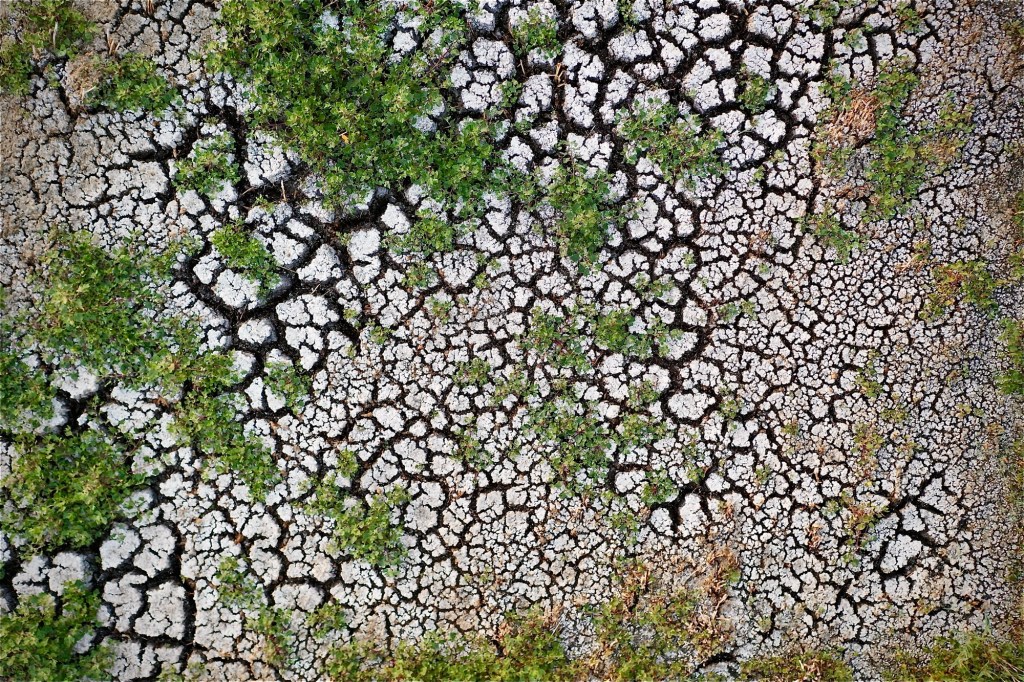
Mud had hardened.
Then cracked.
Then cracked again.
Patterns spread across the earth like an enormous mosaic.
At first, they were beautiful.
That is perhaps the most uncomfortable part of being a conservation photographer: sometimes environmental distress can be extraordinarily beautiful.
I found myself photographing textures that looked almost otherworldly.
Some resembled ancient maps.
Others looked like skin.
From above, small remaining pools of water appeared like cells viewed beneath a microscope. Narrow channels wound through the mud like arteries.
The photographer in me was fascinated.
The human being in me was deeply disturbed.
Because every beautiful pattern represented something missing.
Water.
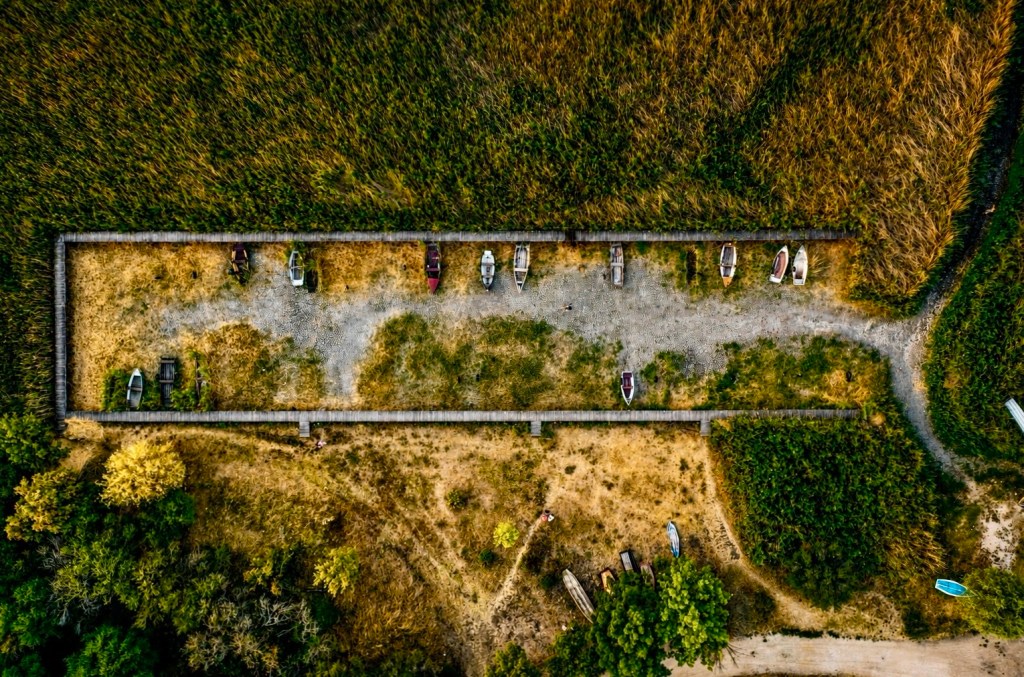
Then I Found the Boats
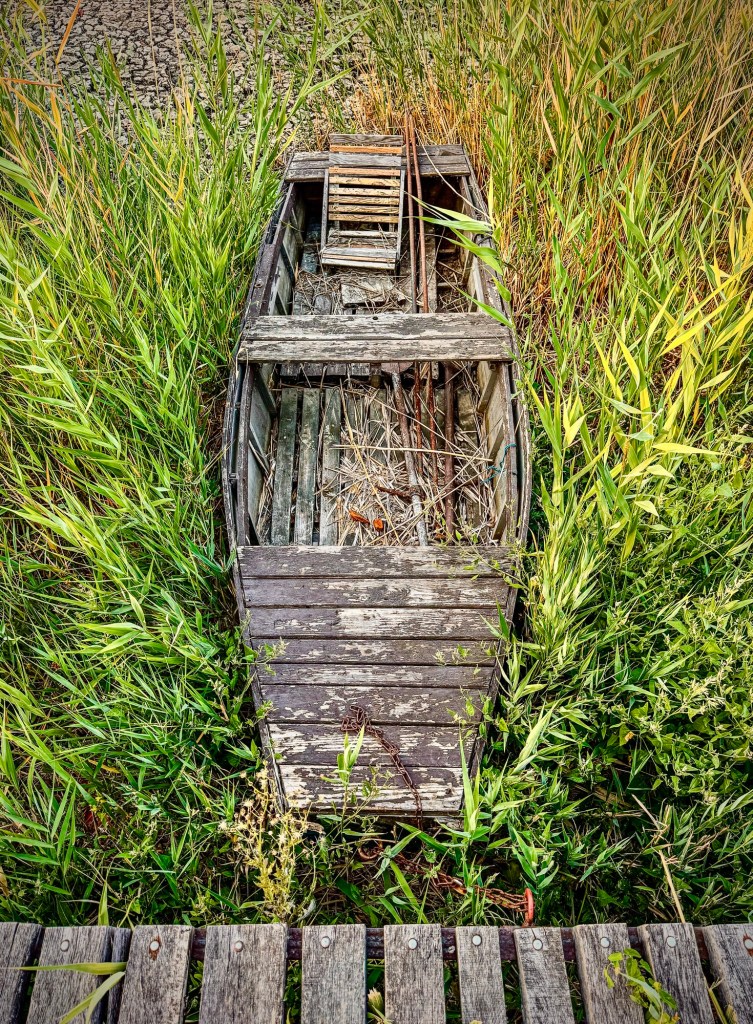
A boat without water is more than an abandoned boat. It is a reminder of the life that once moved through these reeds.
That was when the story changed for me.
Along the old shoreline were small wooden fishing boats.
Except they weren’t floating.
They were sitting in grass.
Some were surrounded by reeds.
Others rested beside cracked earth where water once reached them.
There was something almost unbearable about seeing a boat stranded on land.
A boat has a purpose.
It is meant to move.
To carry someone across water.
To rock gently against a dock.
To leave before sunrise with a fisherman and return later with stories.
These boats were waiting for water that was no longer there.
I stood looking at one of them for a long time.
And I began thinking about the fishermen.
Not as statistics.
As people.
People who know this lake differently than the rest of us.
They know where fish gather when the temperature changes. They recognize the wind before a storm. They know the hidden channels through the reeds.
Imagine knowing a lake that intimately and watching its shoreline retreat.
What do you tell your grandchildren?
“When I was your age, the water came all the way up here.”
At what point does a memory begin to sound like a legend?
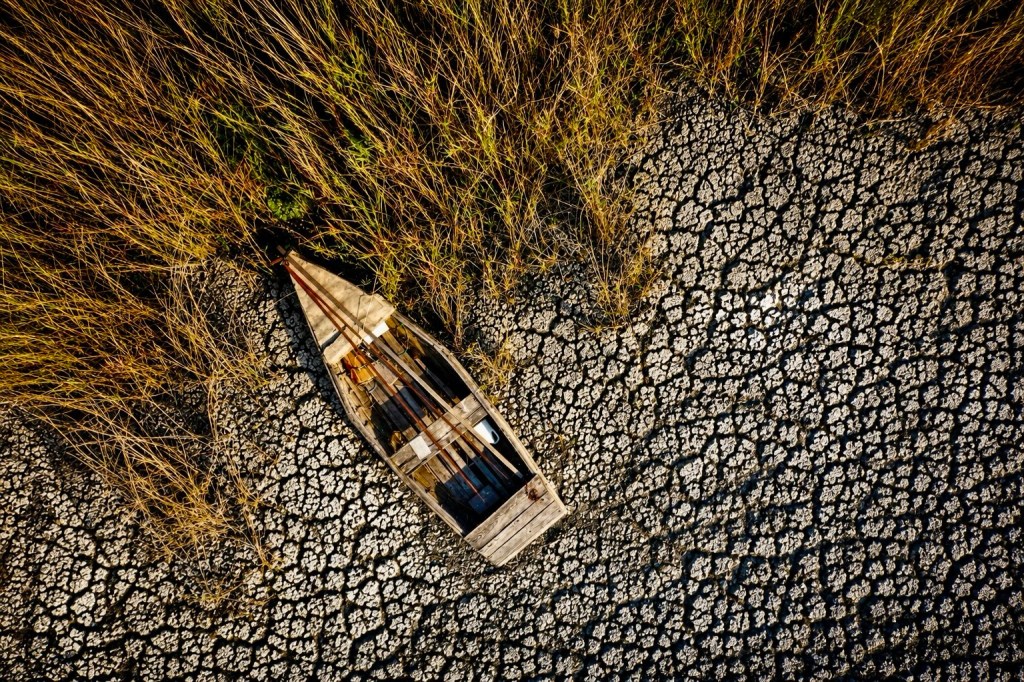
A boat built for water, resting on a lakebed that has forgotten how to hold it.
The Lake From Above
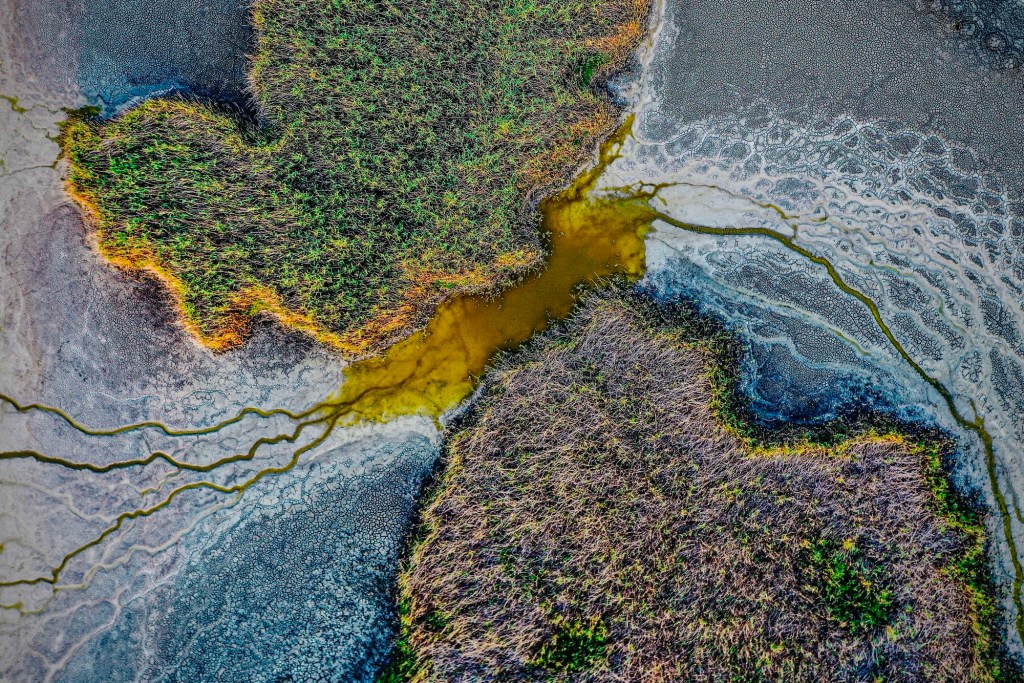
Then I launched my drone.
And everything changed again.
From the ground, drought is something you walk through.
From the sky, it becomes a story.
The landscape opened beneath me.
The remaining water separated into irregular pools surrounded by vast reed beds. Channels twisted between them. Pale mineral deposits traced the former edges of water.
And across the exposed lakebed were patterns so intricate that they hardly seemed natural.
I kept flying.
And I kept thinking:
How can something this beautiful also be a warning?
Perhaps nature does not separate beauty from suffering the way humans do.
Perhaps it simply responds.
Water retreats.
Plants adapt.
Birds move.
Fish search for deeper places.
Mud dries.
Seeds wait.
Nature does what it has always done.
It tries to survive.
A Lake With a Long Memory
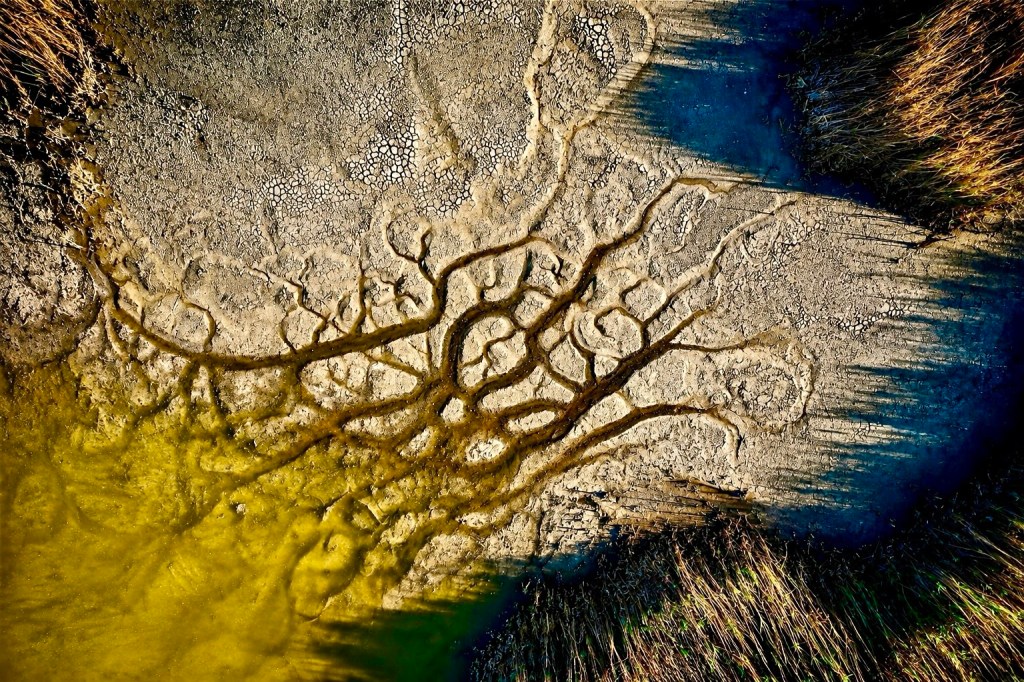
Lake Velence is not simply a recreational lake.
It is a shallow, dynamic natural system whose water levels have fluctuated throughout its history. There have been dry periods before. There have been recoveries.
That history matters.
We should resist the temptation to look at one frightening summer and declare that the lake is dying forever.
Nature is more complicated than that.
But history should not become an excuse to look away, either.
Because today’s lake exists in a different world.
Hotter periods, evaporation, rainfall patterns, water management, surrounding development and human demand all intersect with the natural rhythms of a shallow lake.
The question is therefore not simply:
Has Lake Velence ever been low before?
It has.
The more important question is:
How resilient will Lake Velence be in the climate and landscape of the future?
That is a much harder question.
And perhaps the most important one.
What Happens to the Birds?

Standing among the reeds, I kept thinking about the creatures that cannot attend meetings or argue about water policy.
Wetlands are extraordinarily productive ecosystems.
To us, a patch of reeds may simply look like vegetation.
To a bird, it may be shelter.
A nesting site.
A hunting ground.
A nursery.
To insects, amphibians and fish, shallow water can represent an entire world.
Remove enough water and those relationships begin to change.
Some species move.
Some adapt.
Some cannot.
This is one reason conservation is rarely about saving one beautiful animal.
It is about protecting relationships.
Water.
Mud.
Reeds.
Fish.
Insects.
Birds.
People.
Pull hard enough on one thread and eventually the entire fabric changes.
Then It Rained
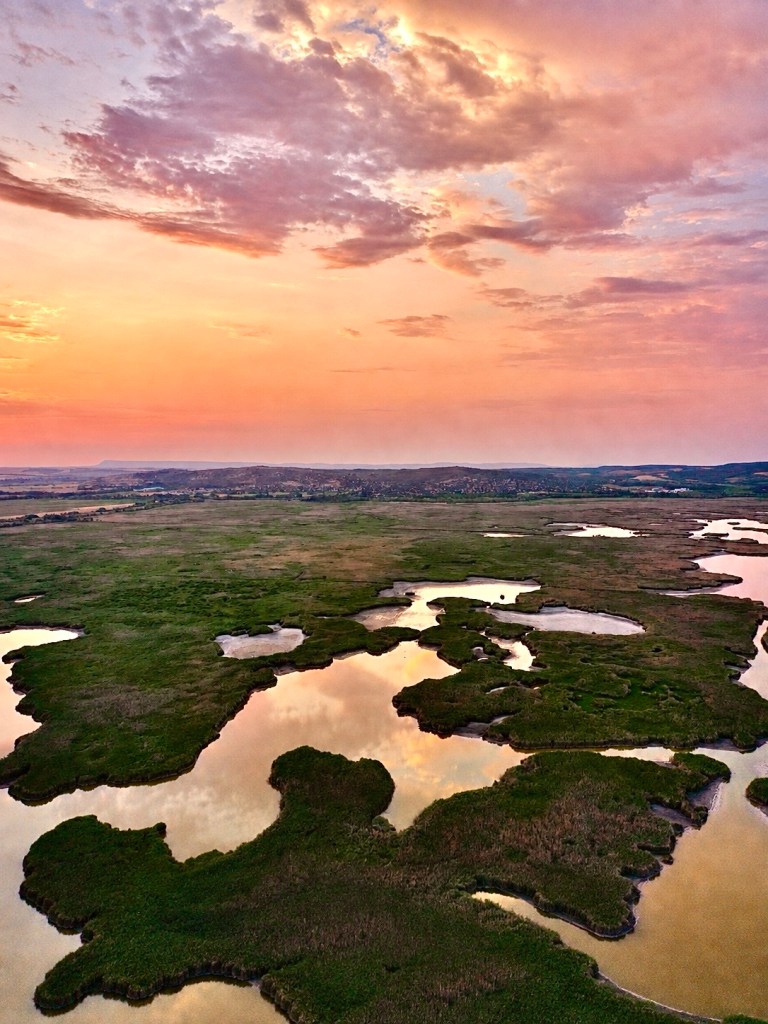
The following afternoon, something happened.
Rain.
Not enough to restore a lake.
Not remotely.
Just a brief summer shower.
But I couldn’t resist.
I drove back to the same place.
I wanted to know if anything had changed.
There was water again in some of the shallow channels.
Tiny ribbons of it.
The cracked earth reflected the sky.
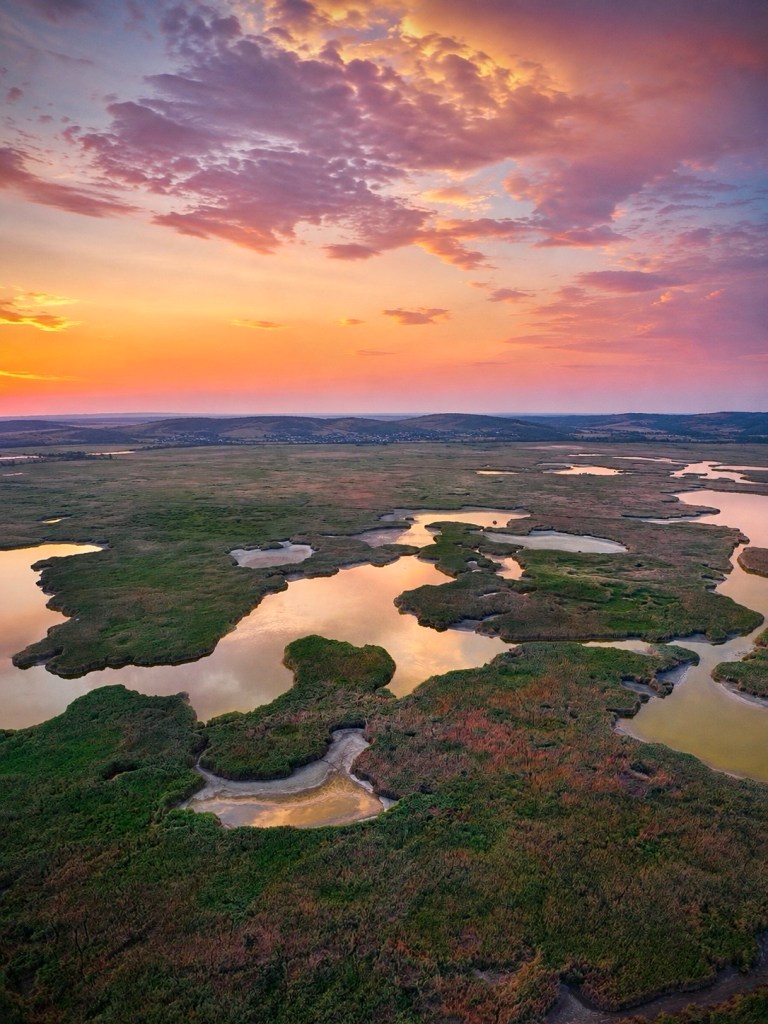
And then evening came.
The clouds opened near the horizon and the entire landscape began to glow.
Pink.
Orange.
Gold.
The remaining water caught the light and carried it through the marsh.
I launched the drone again.
From above, Lake Velence no longer looked simply wounded.
For a few minutes, it looked luminous.
Alive.
And standing there, I was reminded of something I have learned repeatedly while photographing nature:
Resilience rarely announces itself loudly.
Sometimes it is a seed waiting underground.
Sometimes it is a bird returning.
Sometimes it is a tiny stream finding its way through cracked mud.
And sometimes it is a lake catching the last light of the day.
What Are We Willing to Notice?
Jane Goodall has spent much of her life reminding the world that hope is not passive.
Hope requires action.
I think that distinction matters enormously here.
Hope does not mean looking at Lake Velence and saying:
“It has recovered before. Everything will be fine.”
Hope means asking:
What can we do to give it the best possible chance to recover again?
And there is another idea I kept returning to, one that echoes through the work of Dr. Wayne Dyer:
Our attention matters.
What we choose to notice begins to shape what we value.
And what we value, we are far more likely to protect.
Perhaps that is one of photography’s quiet powers.
A photograph cannot refill a lake.
It cannot make rain fall.
It cannot write environmental policy.
But it can make someone stop.
Look.
Feel.
Ask a question.
And sometimes that is where change begins.
The Families Who Will Come After Us
I keep thinking about the children.
Not only the children playing beside Lake Velence today.
The ones who haven’t been born yet.
Will they swim here?
Will their parents bring towels and sandwiches and spend entire summer afternoons beside the water?
Will fishermen still push small boats through openings in the reeds before sunrise?
Will birdwatchers still raise binoculars when wings suddenly lift from the marsh?
Will photographers still stand here at sunset waiting for the sky to catch fire?
I don’t know.
None of us does.
But perhaps that uncertainty is exactly why this moment matters.
Conservation is ultimately an act of imagination.
We have to imagine a future we may never personally see.
And then care enough to protect it anyway.
Bearing Witness
I originally went to Lake Velence carrying cameras.
I thought I was going there to photograph a landscape.
Instead, the landscape gave me a story.
A story written in cracked mud.
In abandoned boats.
In reeds.
In tiny pools of remaining water.
In fishermen’s memories.
In birds searching the shallows.
And finally, after a brief summer rain, in a magnificent sunset reflected across a wounded landscape.
These photographs may look like abstract art.
Some resemble paintings.
Some resemble another planet.
But they are not abstractions.
They are Lake Velence.
Right now.
And this project has become something much more important to me than a collection of photographs.
It has become an act of witnessing.
Because perhaps the greatest danger isn’t that a landscape changes.
Nature has always changed.
Perhaps the greater danger is that change happens slowly enough that we become accustomed to it.
The shoreline moves a little farther away.
The boats sit a little longer in the grass.
The channels become a little narrower.
And eventually we forget where the water once was.
I don’t want to forget.
So I photographed it.
And I am sharing what I saw.
Because sometimes photography is about celebrating the extraordinary beauty of our planet.
And sometimes it is about standing beside something we love while it is changing and saying:
I see you.
You matter.
And your story deserves to be told.
— Zsuzsanna Luciano
Conservation Fine Art Photographer
Lake Velence, Hungary — Summer 2026
January Milestones, Gallery News & Upcoming Shows
Fine Art & Conservation Photography by Zsuzsanna Luciano Master Photographer
January was a big month — and I’m excited to share what’s been happening and what’s ahead!
Celebrating a Major Milestone
I’m thrilled to share that in January I received my Master Photographer degree from Professional Photographers of America (PPA) in Nashville. This has been a long-term goal and a deeply meaningful moment in my photographic journey. I’m incredibly grateful for the support, encouragement, and community that helped make this possible.
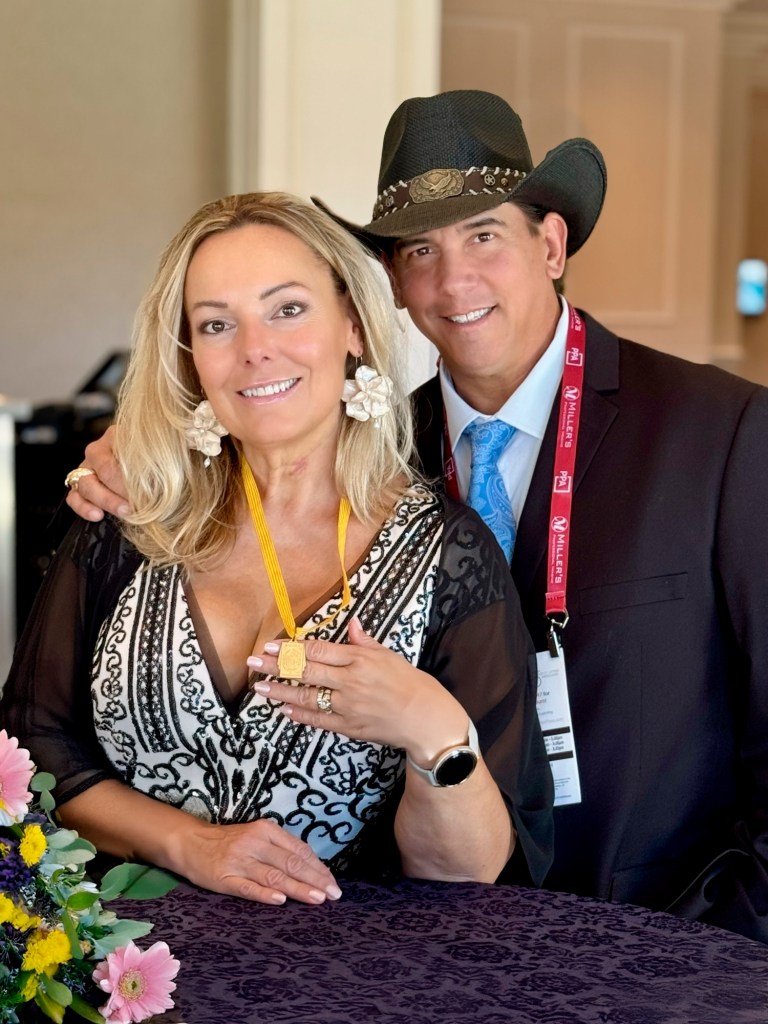
Grateful doesn’t even begin to cover it. This moment represents years of growth, perseverance, and the incredible people who supported me along the way.
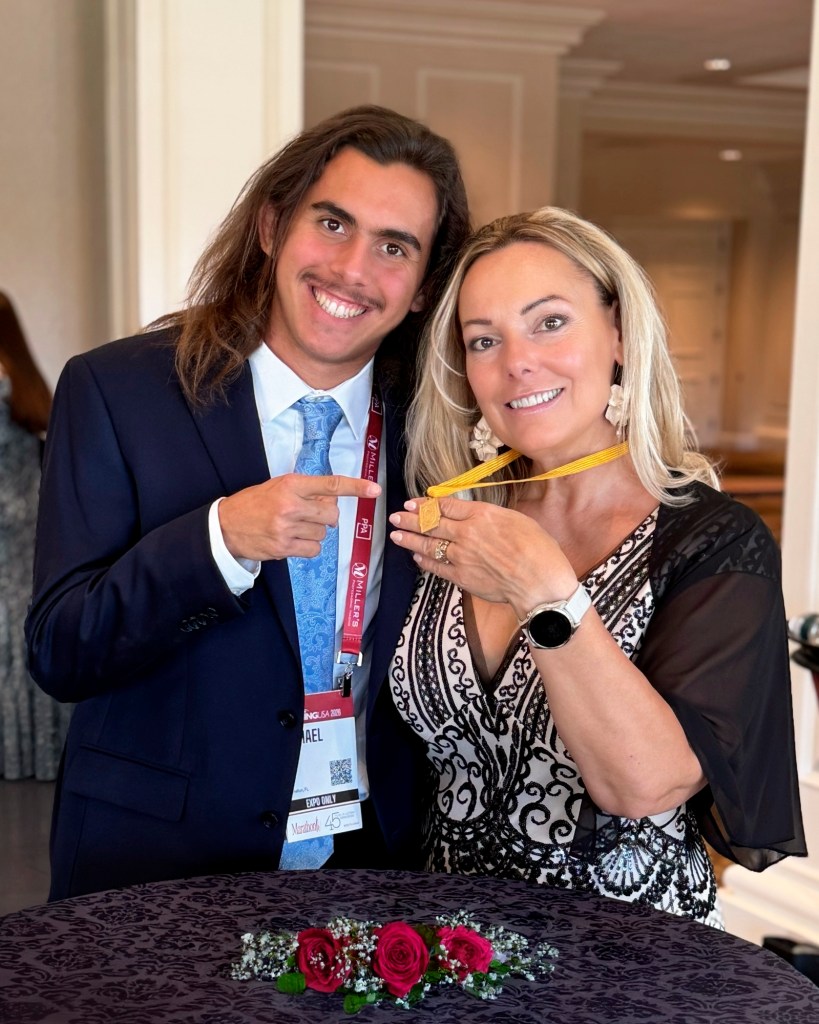
This moment is about more than a medal — it’s about the people who believed in me, supported me, and celebrated right alongside me.
Looking ahead, I plan to bring the artistry and craft behind this achievement into every image I create and every teaching experience I offer.
Gallery News — Dunnellon, Florida
I’m also delighted to announce that I’ve joined Rainbow Springs Art Gallery in Dunnellon, FL. My work is now part of their permanent display, and I’m honored to be represented by such a wonderful local gallery.
Coming soon: beginning March 5, I’ll be teaching a photography class right at the gallery! This is a chance for you to dive deeper into the art of photography, refine your skills, and explore creative expression. I’ll share registration details and more information soon — I’d love to see you there.
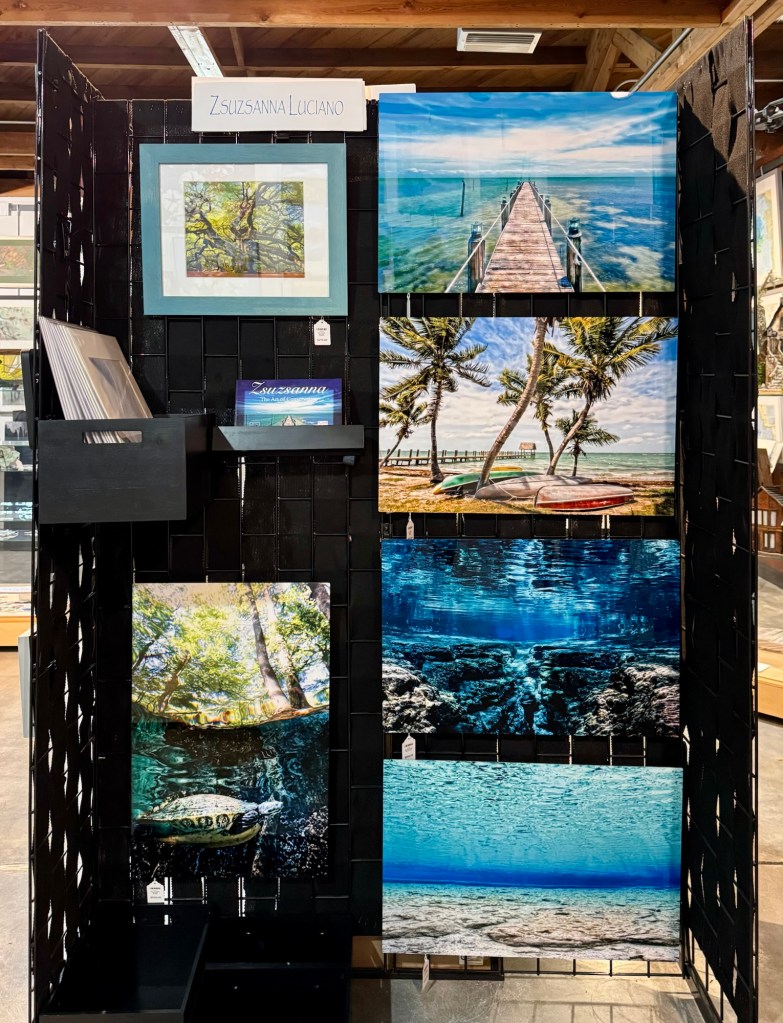
Where art, nature, and storytelling meet.
Where You Can Find Me & My Work
Here’s my February & March show schedule — I hope to see you at one of these art festivals and events!
Jan 31–Feb 1, 2026 — 51st Annual Mount Dora Art Festival
Feb 7–8, 2026 — 38th Annual Downtown Sarasota Art Festival
Feb 14–15, 2026 — 20th Anniversary Coconut Point Art Festival
Feb 20, 2026 — New Artist Reception at Rainbow Springs Art Gallery
Feb 21–22, 2026 — 60th Key West Arts & Crafts Festival
Feb 28–Mar 1, 2026 — 38th Annual Las Olas Art Fair Part II
Mar 7–8, 2026 — 36th Annual Art Fest by the Sea
Mar 14–15, 2026 — 4th Annual Downtown Sarasota Fine Art & Craft Fair
I’ll also be sharing reminders and behind-the-scenes moments on social media — follow along for updates, visuals, and more.
Thank You for Being Here
Your support means the world to me. Whether you’ve subscribed, visited a show, sent a kind message, or followed along on social media — thank you for being part of this creative journey.
If you have questions about the gallery, upcoming teaching opportunities, events, or my photography, I’d love to hear from you!
Connect With Me
Honored to Receive Best in Photography at the Magnificent Mile Art Fair
6/21/25
I am thrilled to share that I was awarded Best in Photography at the Magnificent Mile Art Fair, hosted by Amdur Production in the iconic downtown Chicago! This recognition fills my heart with gratitude, especially as I stand shoulder to shoulder with such a talented group of artists who inspire me daily.
Being part of this vibrant community is truly humbling. Each artist brings their unique perspective and creativity, making the experience incredibly enriching. I feel honored to be recognized in a space that celebrates artistic expression and innovation.
The Importance of Art and Nature
Art serves as a powerful connection between us and the natural world. With every photograph I take, I aim to capture the beauty and fragility of our environment. It’s essential to remind ourselves of this connection and the importance of preserving it for future generations.
As artists, we have a responsibility to convey these messages through our work. Nature’s beauty is not just something to be appreciated but also a call to action. We must educate the younger generations about the significance of protecting our planet, teaching them to take only what they need and to cherish the resources around them.
Empowering Future Generations
By fostering a deep appreciation for art and nature, we can ignite a passion within young minds to become stewards of our environment. Our role as artists extends beyond creating; we are also storytellers and mentors. Through our art, we can instill values of conservation, sustainability, and respect for nature.
As I reflect on this recent achievement, I am more motivated than ever to continue using my photography to advocate for the natural world. Each photograph is a reminder of the beauty we must protect and the narrative we must share.
Thank you to everyone who has supported me on this journey, and to Amdur Production for creating such a meaningful platform for artists. Here’s to celebrating art, nature, and the vital connection between the two. Let’s continue to inspire, educate, and make a difference together!
In conclusion, I hope my journey encourages you to connect with both art and nature. Let’s work together to foster a world where future generations can thrive in a healthy, sustainable environment.
Stay inspired!
Zsuzsanna Luciano
IG/LucianoPhotography
http://www.zsuzsannaluciano.com


