Posts from the ‘Uncategorized’ Category
When the Moon Gave the Stars Back Their Stage
A Night Beneath the Lunar Eclipse on Lake Michigan
There are nights we photograph.
And then there are nights we carry with us.
Last night was one of those nights.
At nine o’clock, we were standing on what felt like a miniature island in the middle of another world. Lake Michigan surrounded us, stretching toward every horizon, while one lonely lighthouse stood against a pale blue evening sky.
The moon was extraordinarily bright.
For a while, it seemed almost impossible to imagine that anything could dim that light.
The island was deserted. There were no crowds around us, no city noise, no distractions. Just my family, the lighthouse, the enormous lake, and the moon rising above it all.
And then the clouds began to arrive.
At first there were only a few. But as time slowly advanced, more and more came rushing across the sky toward the moon, as though suddenly every cloud over Lake Michigan wanted to touch her.
I watched them race through my viewfinder.
Sometimes the moon disappeared completely.
Then, for a few precious seconds, she would break through again, revealing a little more of her slowly fading face.
I kept taking photographs.
Every opening.
Every disappearance.
Every brief return.
Photography teaches you patience on nights like this. You cannot command the sky. You cannot move the clouds or ask the moon to wait. All you can do is remain present and be ready when nature decides to reveal something.
And slowly, almost imperceptibly at first, the entire night began to change.
As the moonlight faded, the clouds seemed to lose their urgency. Fewer of them raced across the sky.
And stars began shimmering above our heads.
One.
Then another.
Then hundreds.
And suddenly, it was as though someone had turned on a switch.
The Milky Way appeared around us.
It stretched across the darkness like a celestial glory surrounding the moon during her spectacular performance.
I stood there in awe.
Not the kind of awe that requires words, but the childlike wonder that makes you feel incredibly small and, somehow, deeply connected to everything at the same time.
At the peak of the eclipse, I stopped for a moment.
I opened my heart and my mind.
And beneath that enormous universe, I quietly asked our Creator for something very simple.
For gentleness.
For less tension between brothers and sisters.
For deeper love for ourselves, so perhaps we can become more understanding of one another.
For the ability to look at another human being with a little more patience, compassion and grace.
Standing beneath the Milky Way with the darkened moon above Lake Michigan, I felt for a moment as though my soul belonged to something much larger than myself.
And more than anything, I felt grateful.
Grateful that my family was beside me.
Grateful that we were witnessing this together.
Grateful simply to be there.
My thoughts also traveled backward through time.
Long before cameras, astronomy apps and eclipse predictions, other human beings stood beneath this same sky.
I wondered about the Native peoples who lived along these waters generations ago.
What did they think when the moon suddenly began disappearing?
Were they frightened?
Did they understand that it would return?
Did parents gather their children close and tell them stories about what was happening above them?
Did they turn celestial events into songs?
Were those songs passed from grandparents to grandchildren so the next generation would remember the night the moon changed?
I will never know exactly what someone standing beside Lake Michigan hundreds or thousands of years ago felt during an eclipse.
But I understand the instinct to tell the story.
Because that instinct is still alive in me.
I live for moments like this.
To bear witness.
To stand quietly before something extraordinary and then try to translate what I saw—and what I felt—into photographs.
The camera records light.
But I hope the photograph can carry something more.
Wonder.
Silence.
Connection.
Memory.
Today we are driving toward the Port Clinton Art Festival, and my mind is already returning to that tiny island.
I am already imagining these photographs printed large, hanging on a wall.
I can see the lighthouse.
The racing clouds.
The disappearing moon.
The Milky Way emerging from a sky that only moments earlier seemed empty of stars.
And beside those photographs, there will need to be a story.
The story of a night when the moon was so brilliant that the stars seemed to disappear beneath her light.
And then, for one extraordinary moment, the moon stepped quietly into the shadows…
and gave the stage back to the stars.
Yet somehow, even surrounded by the brilliance of the Milky Way, all eyes were still on her.
What a night.
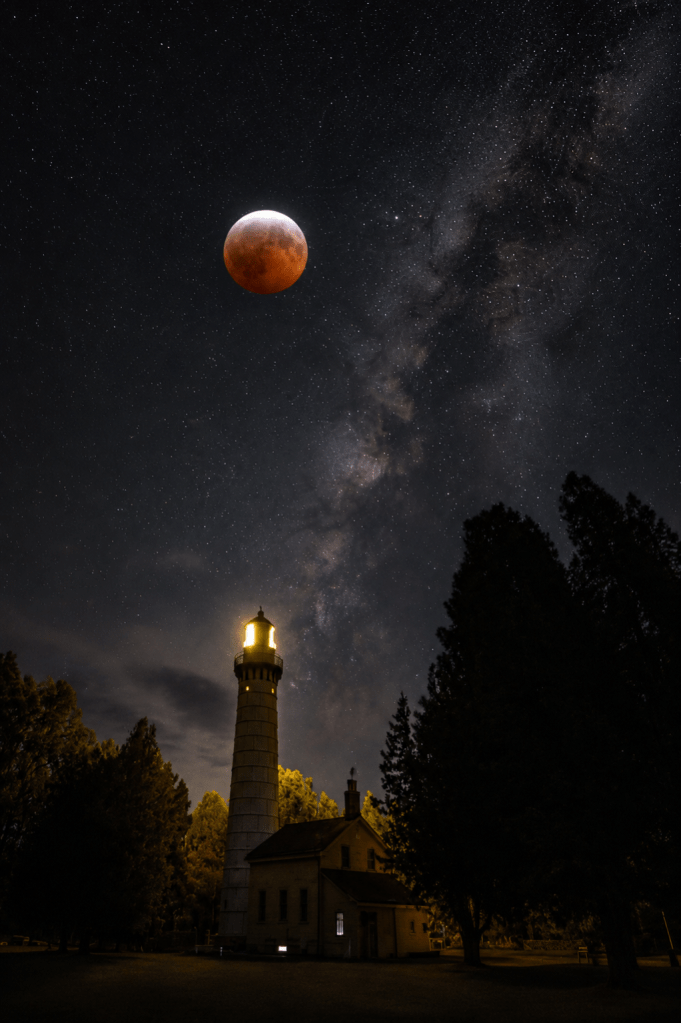
For one extraordinary moment, the eclipsed moon surrendered her brilliant light, and the Milky Way reclaimed the sky above the lonely lighthouse—yet all eyes were still on her.
When a Lake Begins to Forget
A personal journey into the changing heart of Lake Velence

Lake Velence, summer 2026.
Where water once moved through the reeds, the lakebed now holds the memory of it.
There are places we visit.
And then there are places that somehow become part of us.
For generations of Hungarians, Lake Velence has been one of those places.
Children learned to swim in its warm, shallow water. Families spread blankets along its shores and stayed until the evening light turned gold. Fishermen pushed small wooden boats through the reeds before sunrise, returning to the same quiet corners their fathers—and sometimes their grandfathers—had known.
Birdwatchers came for another reason.
They came for the rustle in the reeds.
For the sudden beating of wings.
For herons standing motionless in the shallows and the extraordinary web of life supported by one of Hungary’s most familiar wetlands.
And people like me came simply because we loved it.
But this summer, I returned to Lake Velence and found myself looking at something I wasn’t prepared to see.
The lake seemed to be disappearing.
Not everywhere.
Not all at once.
That somehow made it more unsettling.
It was happening quietly.
Where Water Used to Be
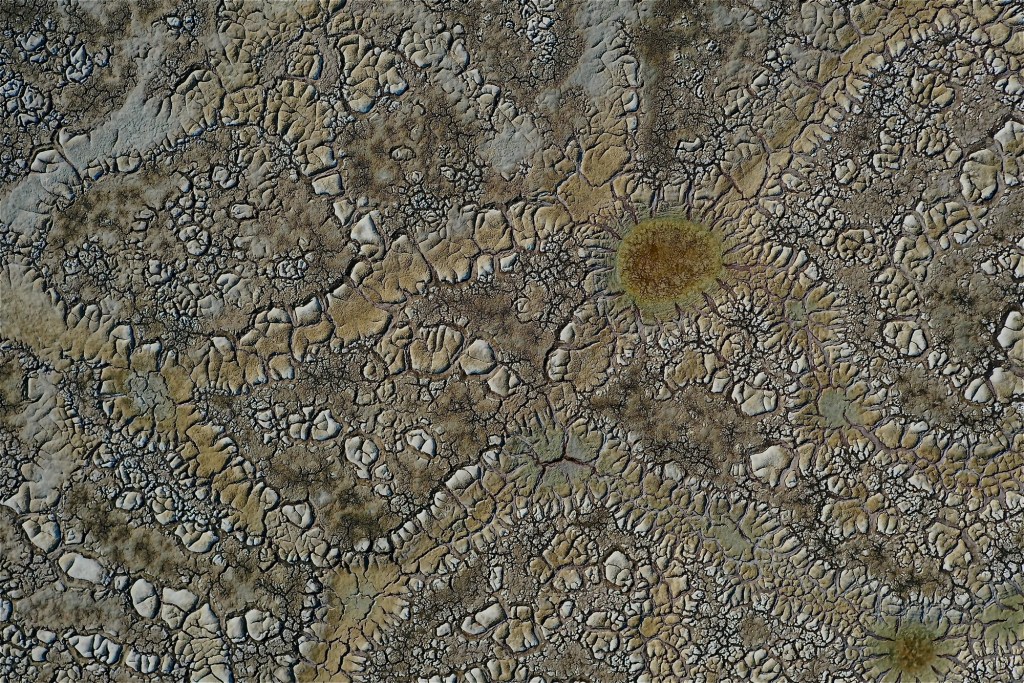
What looks like another planet is the floor of Lake Velence—water leaving behind a fragile mosaic of what once was.
The heat had been relentless.
The air itself seemed tired.
Walking toward the lake, I could smell the reeds warming beneath the sun and feel the dry earth under my feet. Where I expected water, there were stretches of exposed lakebed.
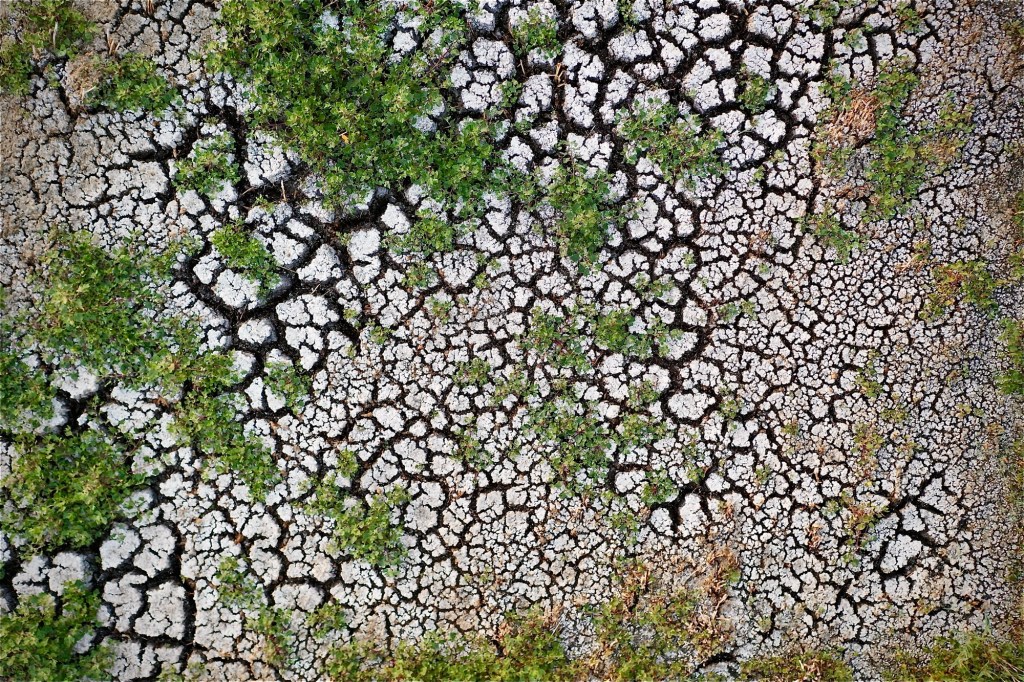
Mud had hardened.
Then cracked.
Then cracked again.
Patterns spread across the earth like an enormous mosaic.
At first, they were beautiful.
That is perhaps the most uncomfortable part of being a conservation photographer: sometimes environmental distress can be extraordinarily beautiful.
I found myself photographing textures that looked almost otherworldly.
Some resembled ancient maps.
Others looked like skin.
From above, small remaining pools of water appeared like cells viewed beneath a microscope. Narrow channels wound through the mud like arteries.
The photographer in me was fascinated.
The human being in me was deeply disturbed.
Because every beautiful pattern represented something missing.
Water.
Then I Found the Boats
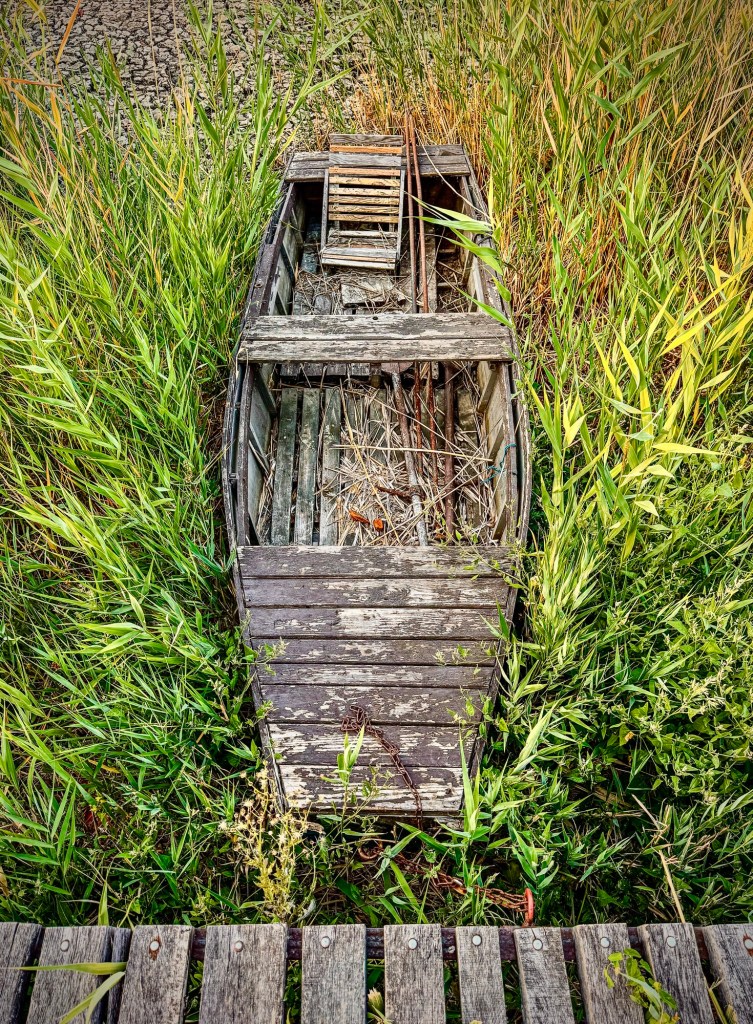
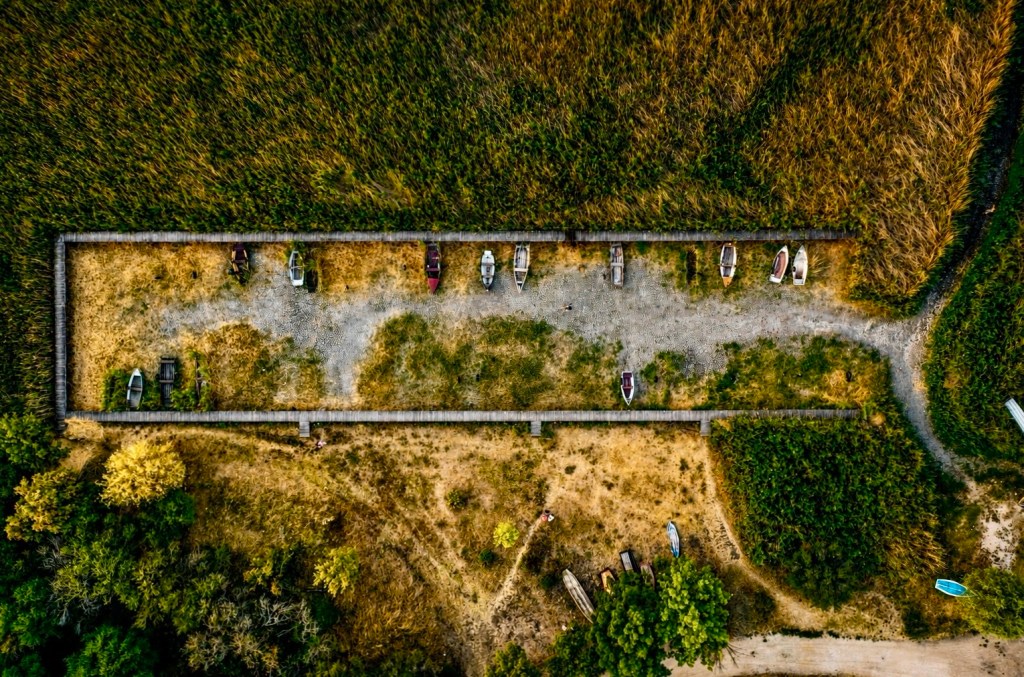
A boat without water is more than an abandoned boat. It is a reminder of the life that once moved through these reeds.
That was when the story changed for me.
Along the old shoreline were small wooden fishing boats.
Except they weren’t floating.
They were sitting in grass.
Some were surrounded by reeds.
Others rested beside cracked earth where water once reached them.
There was something almost unbearable about seeing a boat stranded on land.
A boat has a purpose.
It is meant to move.
To carry someone across water.
To rock gently against a dock.
To leave before sunrise with a fisherman and return later with stories.
These boats were waiting for water that was no longer there.
I stood looking at one of them for a long time.
And I began thinking about the fishermen.
Not as statistics.
As people.
People who know this lake differently than the rest of us.
They know where fish gather when the temperature changes. They recognize the wind before a storm. They know the hidden channels through the reeds.
Imagine knowing a lake that intimately and watching its shoreline retreat.
What do you tell your grandchildren?
“When I was your age, the water came all the way up here.”
At what point does a memory begin to sound like a legend?
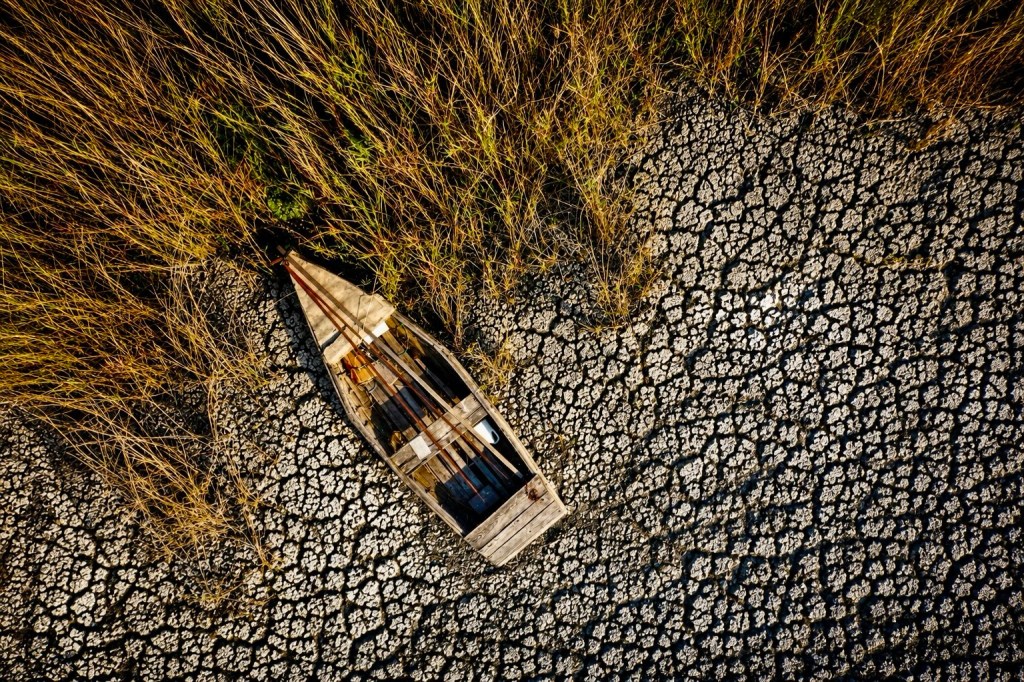
A boat built for water, resting on a lakebed that has forgotten how to hold it.
The Lake From Above
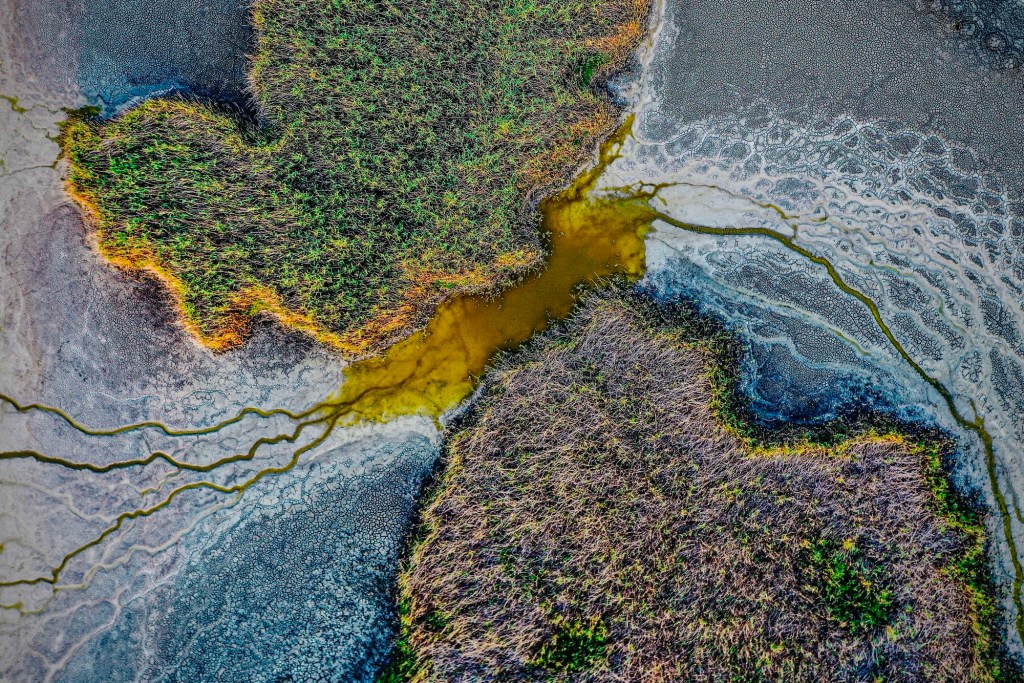
Then I launched my drone.
And everything changed again.
From the ground, drought is something you walk through.
From the sky, it becomes a story.
The landscape opened beneath me.
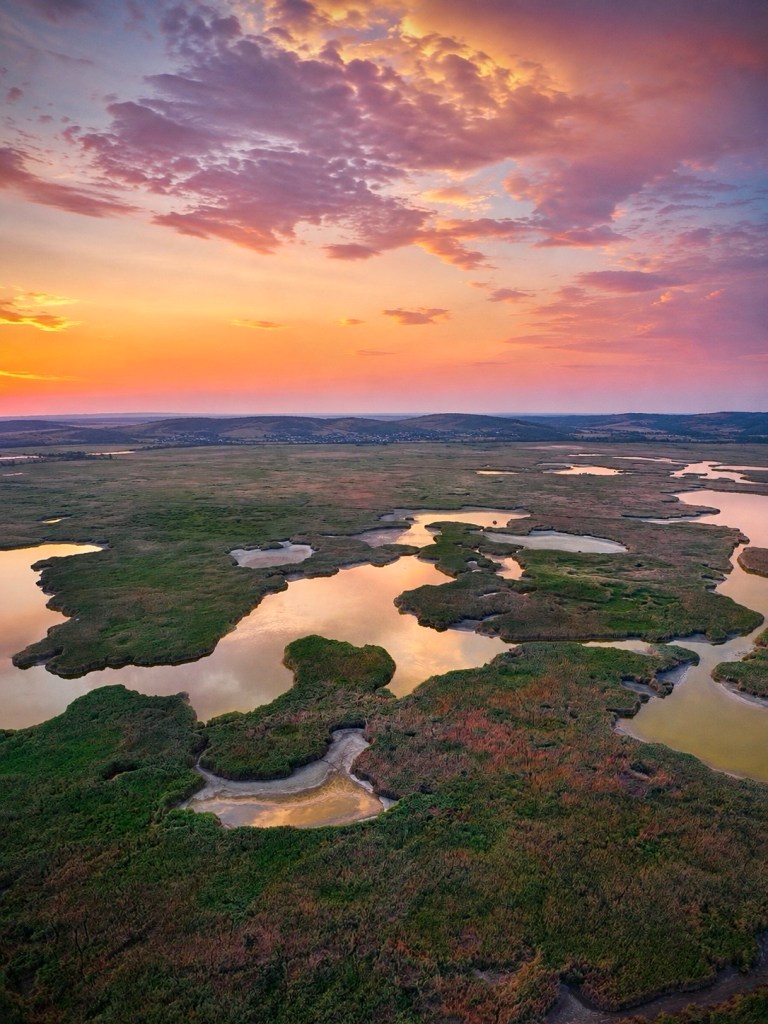
The remaining water separated into irregular pools surrounded by vast reed beds. Channels twisted between them. Pale mineral deposits traced the former edges of water.
And across the exposed lakebed were patterns so intricate that they hardly seemed natural.
I kept flying.
And I kept thinking:
How can something this beautiful also be a warning?
Perhaps nature does not separate beauty from suffering the way humans do.
Perhaps it simply responds.
Water retreats.
Plants adapt.
Birds move.
Fish search for deeper places.
Mud dries.
Seeds wait.
Nature does what it has always done.
It tries to survive.
A Lake With a Long Memory
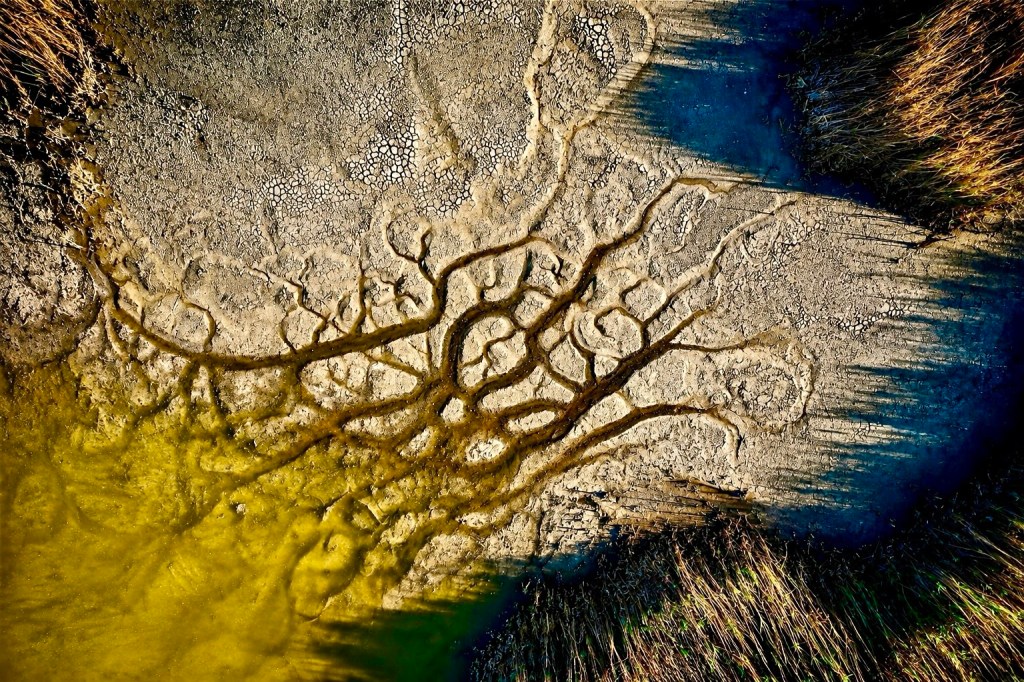
Lake Velence is not simply a recreational lake.
It is a shallow, dynamic natural system whose water levels have fluctuated throughout its history. There have been dry periods before. There have been recoveries.
That history matters.
We should resist the temptation to look at one frightening summer and declare that the lake is dying forever.
Nature is more complicated than that.
But history should not become an excuse to look away, either.
Because today’s lake exists in a different world.
Hotter periods, evaporation, rainfall patterns, water management, surrounding development and human demand all intersect with the natural rhythms of a shallow lake.
The question is therefore not simply:
Has Lake Velence ever been low before?
It has.
The more important question is:
How resilient will Lake Velence be in the climate and landscape of the future?
That is a much harder question.
And perhaps the most important one.
What Happens to the Birds?

Standing among the reeds, I kept thinking about the creatures that cannot attend meetings or argue about water policy.
Wetlands are extraordinarily productive ecosystems.
To us, a patch of reeds may simply look like vegetation.
To a bird, it may be shelter.
A nesting site.
A hunting ground.
A nursery.
To insects, amphibians and fish, shallow water can represent an entire world.
Remove enough water and those relationships begin to change.
Some species move.
Some adapt.
Some cannot.
This is one reason conservation is rarely about saving one beautiful animal.
It is about protecting relationships.
Water.
Mud.
Reeds.
Fish.
Insects.
Birds.
People.
Pull hard enough on one thread and eventually the entire fabric changes.
Then It Rained
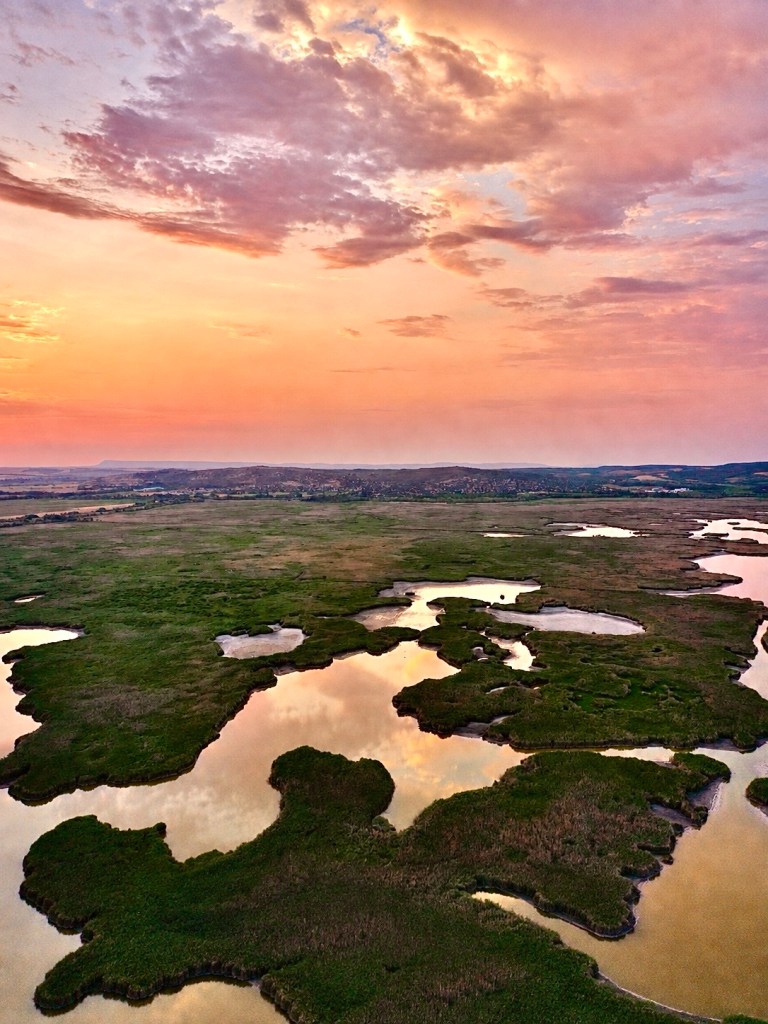
The following afternoon, something happened.
Rain.
Not enough to restore a lake.
Not remotely.
Just a brief summer shower.
But I couldn’t resist.
I drove back to the same place.
I wanted to know if anything had changed.
There was water again in some of the shallow channels.
Tiny ribbons of it.
The cracked earth reflected the sky.
And then evening came.
The clouds opened near the horizon and the entire landscape began to glow.
Pink.
Orange.
Gold.
The remaining water caught the light and carried it through the marsh.
I launched the drone again.
From above, Lake Velence no longer looked simply wounded.
For a few minutes, it looked luminous.
Alive.
And standing there, I was reminded of something I have learned repeatedly while photographing nature:
Resilience rarely announces itself loudly.
Sometimes it is a seed waiting underground.
Sometimes it is a bird returning.
Sometimes it is a tiny stream finding its way through cracked mud.
And sometimes it is a lake catching the last light of the day.
What Are We Willing to Notice?
Jane Goodall has spent much of her life reminding the world that hope is not passive.
Hope requires action.
I think that distinction matters enormously here.
Hope does not mean looking at Lake Velence and saying:
“It has recovered before. Everything will be fine.”
Hope means asking:
What can we do to give it the best possible chance to recover again?
And there is another idea I kept returning to, one that echoes through the work of Dr. Wayne Dyer:
Our attention matters.
What we choose to notice begins to shape what we value.
And what we value, we are far more likely to protect.
Perhaps that is one of photography’s quiet powers.
A photograph cannot refill a lake.
It cannot make rain fall.
It cannot write environmental policy.
But it can make someone stop.
Look.
Feel.
Ask a question.
And sometimes that is where change begins.
The Families Who Will Come After Us
I keep thinking about the children.
Not only the children playing beside Lake Velence today.
The ones who haven’t been born yet.
Will they swim here?
Will their parents bring towels and sandwiches and spend entire summer afternoons beside the water?
Will fishermen still push small boats through openings in the reeds before sunrise?
Will birdwatchers still raise binoculars when wings suddenly lift from the marsh?
Will photographers still stand here at sunset waiting for the sky to catch fire?
I don’t know.
None of us does.
But perhaps that uncertainty is exactly why this moment matters.
Conservation is ultimately an act of imagination.
We have to imagine a future we may never personally see.
And then care enough to protect it anyway.
Bearing Witness
I originally went to Lake Velence carrying cameras.
I thought I was going there to photograph a landscape.
Instead, the landscape gave me a story.
A story written in cracked mud.
In abandoned boats.
In reeds.
In tiny pools of remaining water.
In fishermen’s memories.
In birds searching the shallows.
And finally, after a brief summer rain, in a magnificent sunset reflected across a wounded landscape.
These photographs may look like abstract art.
Some resemble paintings.
Some resemble another planet.
But they are not abstractions.
They are Lake Velence.
Right now.
And this project has become something much more important to me than a collection of photographs.
It has become an act of witnessing.
Because perhaps the greatest danger isn’t that a landscape changes.
Nature has always changed.
Perhaps the greater danger is that change happens slowly enough that we become accustomed to it.
The shoreline moves a little farther away.
The boats sit a little longer in the grass.
The channels become a little narrower.
And eventually we forget where the water once was.
I don’t want to forget.
So I photographed it.
And I am sharing what I saw.
Because sometimes photography is about celebrating the extraordinary beauty of our planet.
And sometimes it is about standing beside something we love while it is changing and saying:
I see you.
You matter.
And your story deserves to be told.
— Zsuzsanna Luciano
Conservation Fine Art Photographer
Lake Velence, Hungary — Summer 2026
Rain Over the Gold Coast: Lessons From a Washed-Out Art Festival
There are days on the art festival circuit when everything comes together perfectly.
The sun shines. Crowds fill the aisles. Conversations turn into sales. Artists share stories, laughter, and dreams while visitors carry pieces of art home to become part of their lives.
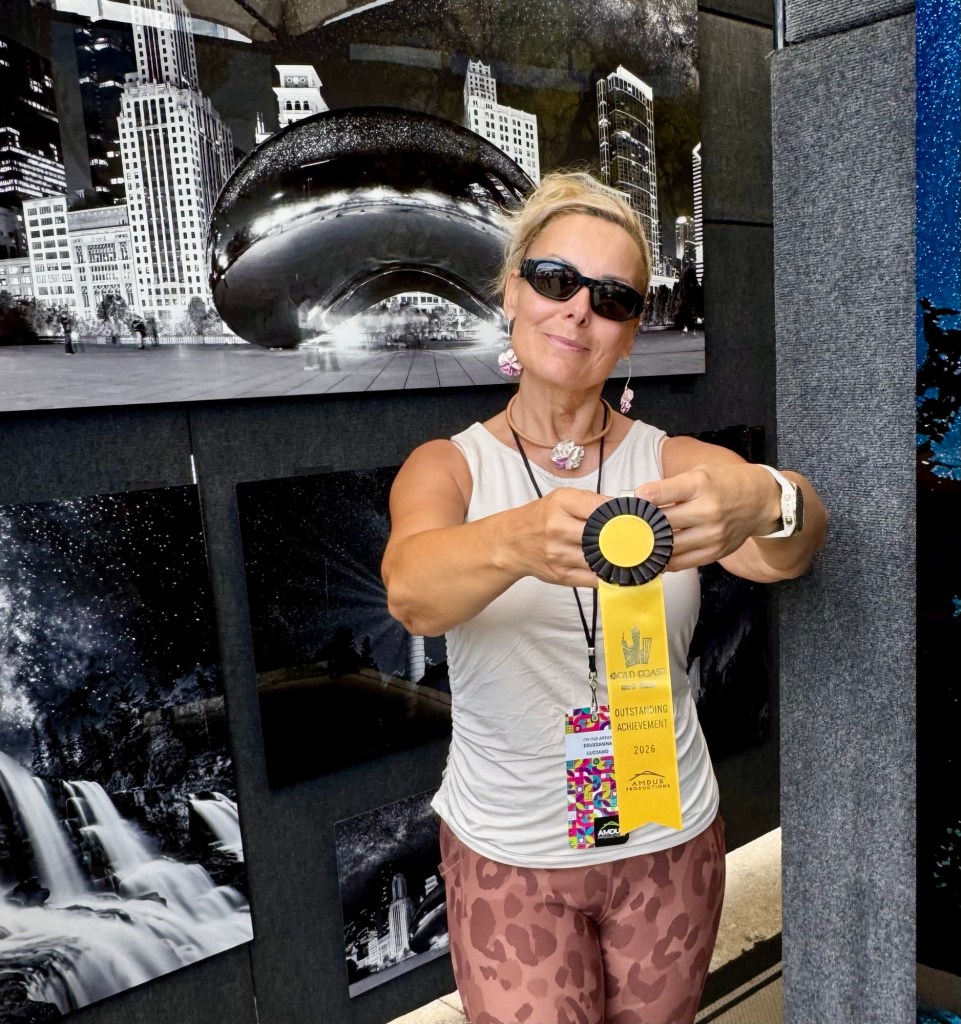
Saturday began with celebration. I was humbled to receive Outstanding Achievement in Photography from Amdur Productions at the Gold Coast Art Festival.
And then there are days like this weekend at Chicago’s Gold Coast Art Festival.
Days when the sky has other plans.
For more than four decades, Amdur Productions has worked tirelessly to create one of the Midwest’s premier art festivals. Year after year they bring together hundreds of artists and thousands of visitors, creating a place where creativity, culture, and community thrive.
This year was no different.
The crowds wanted to come.
The artists were ready.
The artwork was displayed.
But on the second day, steady rain settled over Chicago and refused to leave.
Not a dramatic thunderstorm.
Not a quick summer shower.
Just relentless rain.
The kind that slowly soaks through jackets, seeps into shoes, fogs glasses, and settles into your bones.
The kind that tests patience.
The kind that reveals character.
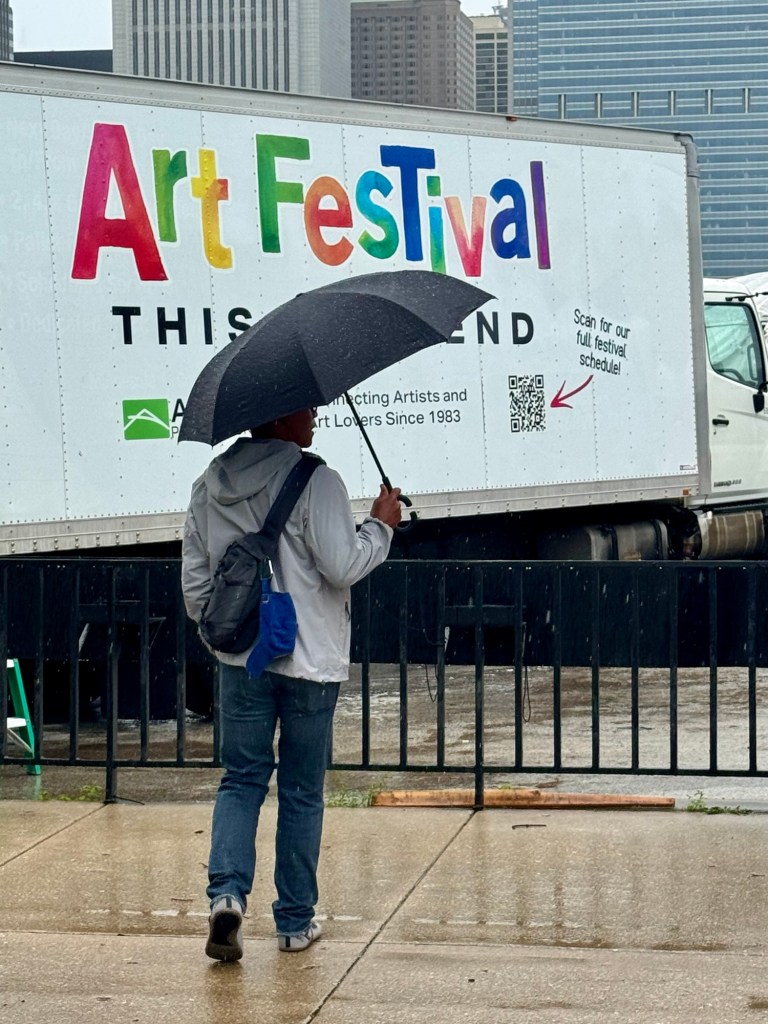
The festival was ready. The artists were ready. The crowds were coming. Then the Chicago sky opened, and a weekend built on months of preparation was suddenly placed in the hands of the weather.
The Reality Behind the White Tents
When visitors walk through an art festival, they see beautiful displays, finished artwork, smiling artists, and colorful booths.
What they don’t often see is the labor behind it all.
Every tent represents hours of setup.
Every display wall is heavy.
Every framed piece must be carefully protected.
Every box packed.
Every panel dismantled.
Every trailer loaded.
Normally teardown is exhausting enough.
Doing it in cold, steady rain is another story.
Hands become numb.
Clothes become soaked.
Cardboard softens.
Plastic tarps stick together.
Mud appears where grass once was.
Every movement takes longer.
Every decision requires extra care.
One slip could damage artwork that took years to create.
One moment of carelessness could ruin equipment worth thousands of dollars.
The physical toll is real.
But surprisingly, the emotional toll can be even greater.
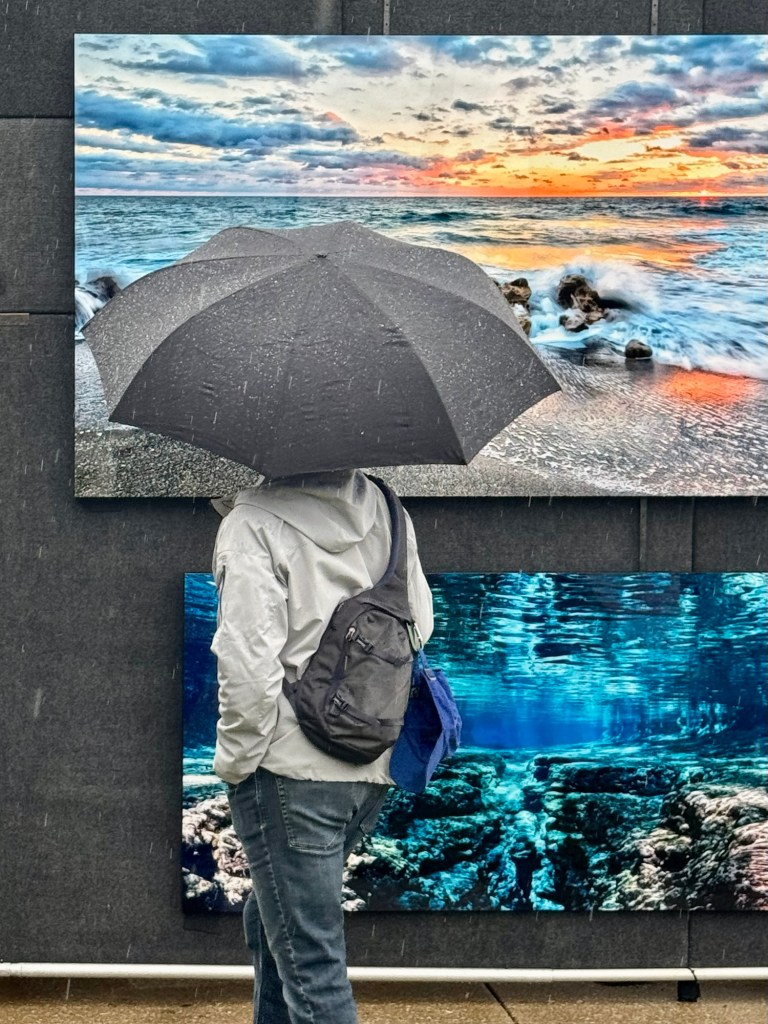
Every person who stopped in the rain felt like a gift. While the weather kept many at home, those who ventured out shared something special with us—a reminder that art still connects people, even on the grayest days.
The Weight Nobody Sees
Artists travel hundreds, sometimes thousands of miles to attend these shows.
Many of us live on the road during the season.
We invest in booth fees, travel expenses, fuel, lodging, inventory, and countless hours preparing for a single weekend.
When weather arrives, there is nothing to negotiate.
No manager to call.
No schedule to adjust.
No rain date.
Mother Nature simply makes the decision.
And everyone adapts.
There is disappointment.
Of course there is.
You imagine the crowds that might have come.
The conversations that never happened.
The pieces that might have found homes.
The goals that will have to wait for another weekend.
Yet standing there among hundreds of artists, everyone facing the same gray sky, something else begins to emerge.
Perspective.
Because suddenly it isn’t just about sales.
It becomes about resilience.
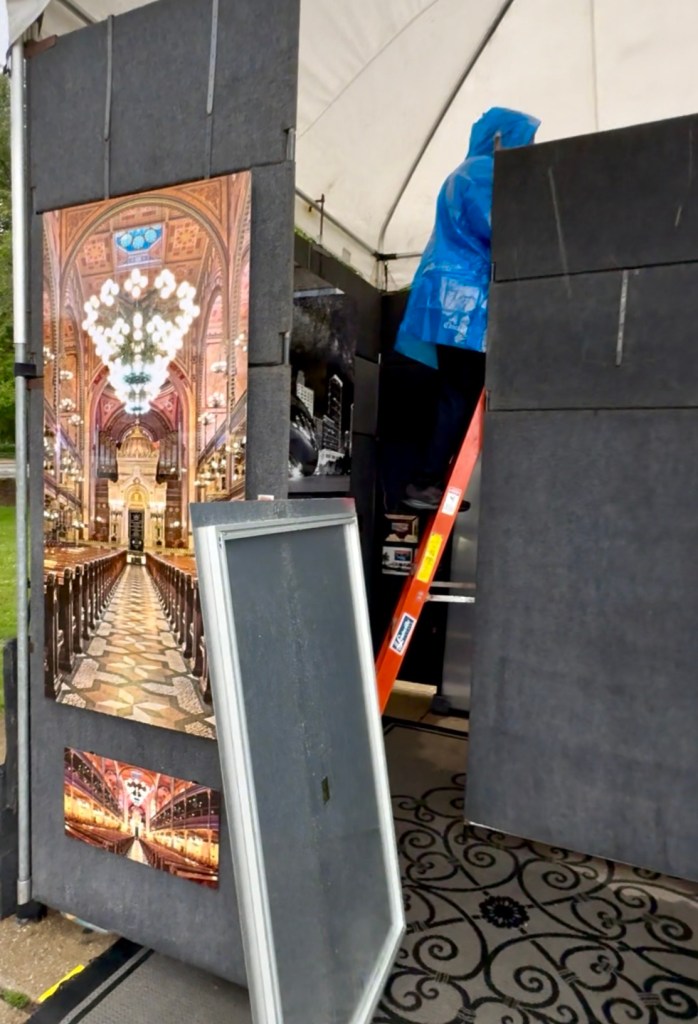
While visitors saw the finished gallery, artists spent the day protecting it. Every panel, every photograph, and every piece of equipment demanded constant attention as rain and wind challenged the structures we had spent days building.
Finding Joy in the Storm
One of the beautiful things about artists is that creativity doesn’t disappear when conditions become difficult.
If anything, it becomes stronger.
As rain fell across Grant Park, umbrellas became gathering places.
Strangers shared weather reports.
Neighbors helped secure tents.
Artists checked on one another.
Someone cracked a joke.
Someone else laughed.
Then another.
Soon the rain wasn’t the only thing filling the air.
Laughter was too.
We found entertainment in the smallest things.
Watching people navigate puddles.
Comparing the world’s least fashionable rain gear.
Sharing stories from festivals past.
Finding humor in situations completely outside our control.
Because sometimes the only reasonable response to an unreasonable amount of rain is to laugh.
And so we did.
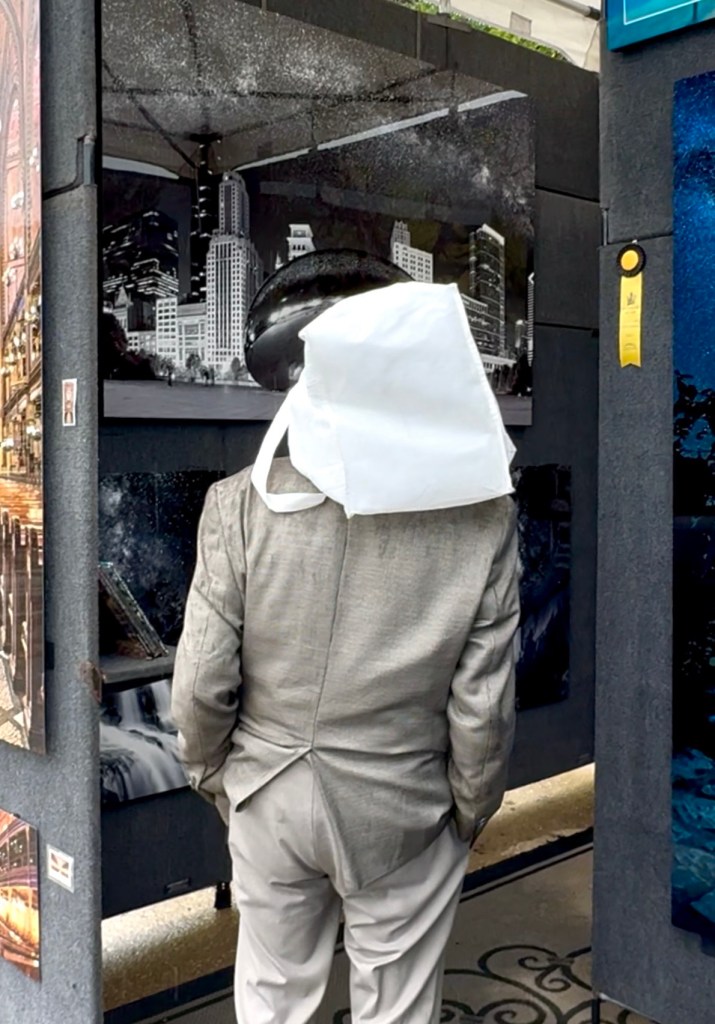
When umbrellas weren’t enough, creativity took over. Somewhere between the rain, the puddles, and the endless gray sky, a shopping bag became a rain hat—and everyone nearby found a reason to smile.
What We Hope Our Son Learns
Perhaps the most valuable part of this weekend had nothing to do with art sales at all.
It had to do with family.
Our son Michael has grown up around art festivals.
He has seen sunny days and successful weekends.
He has seen awards and celebrations.
But weekends like this may teach even greater lessons.
Life is not measured by how we behave when everything goes our way.
Life is measured by how we respond when it doesn’t.
He watched us continue working when conditions were uncomfortable.
He watched artists help one another.
He watched people remain kind despite disappointment.
He watched adults adapt, improvise, and keep moving forward.
Most importantly, he watched patience in action.
Not perfect patience.
Real patience.
The kind that gets tested.
The kind that occasionally becomes frustration.
The kind that requires grace.
The kind that chooses kindness anyway.
As parents, we often worry about what lessons we are teaching.
This weekend reminded us that some of the most important lessons are taught simply by enduring together.
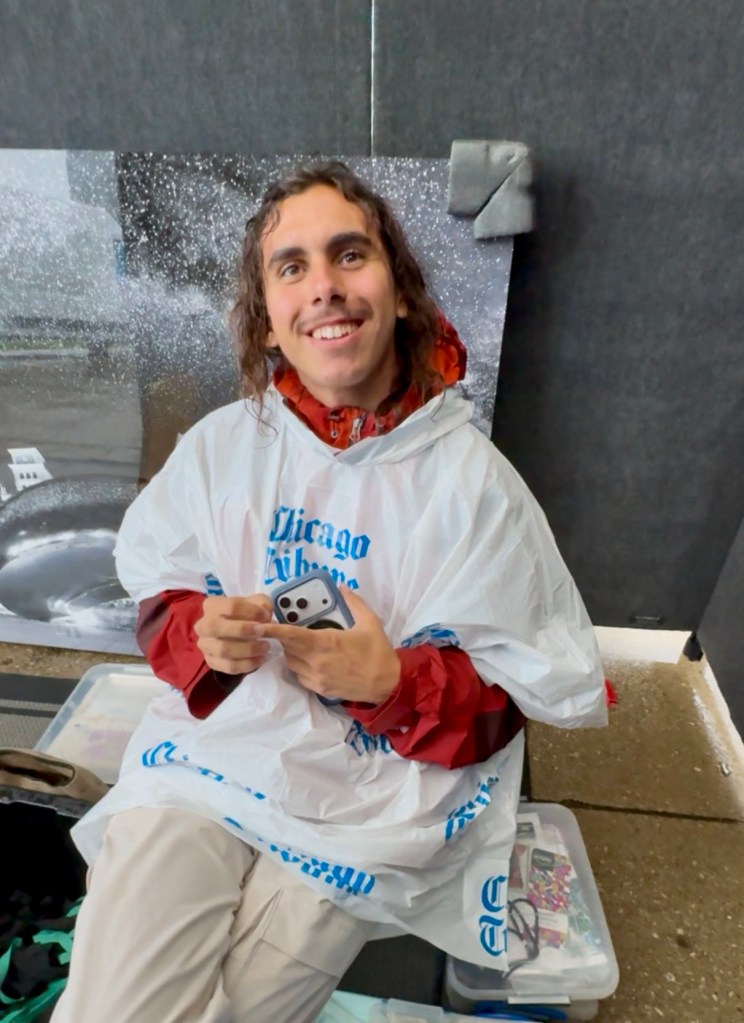
Some lessons cannot be taught in a classroom. This weekend, Michael watched artists adapt, families support one another, and people face disappointment with grace. In the steady rain, he witnessed a quiet truth: resilience is built one challenge at a time.
The Skyline Disappeared
At one point the clouds hung so low over Chicago that entire skyscrapers vanished.
The skyline faded into mist.
Buildings that normally dominate the horizon simply disappeared into the gray.
It was a remarkable sight.
And somehow it felt symbolic.
Sometimes our goals disappear from view.
Sometimes our plans vanish into uncertainty.
Sometimes we can’t see the destination.
But just because the skyline disappears doesn’t mean the city is gone.
Just because the future is hidden doesn’t mean it isn’t there.
Eventually the clouds lift.
Eventually the rain stops.
Eventually the sun returns.
It always does.
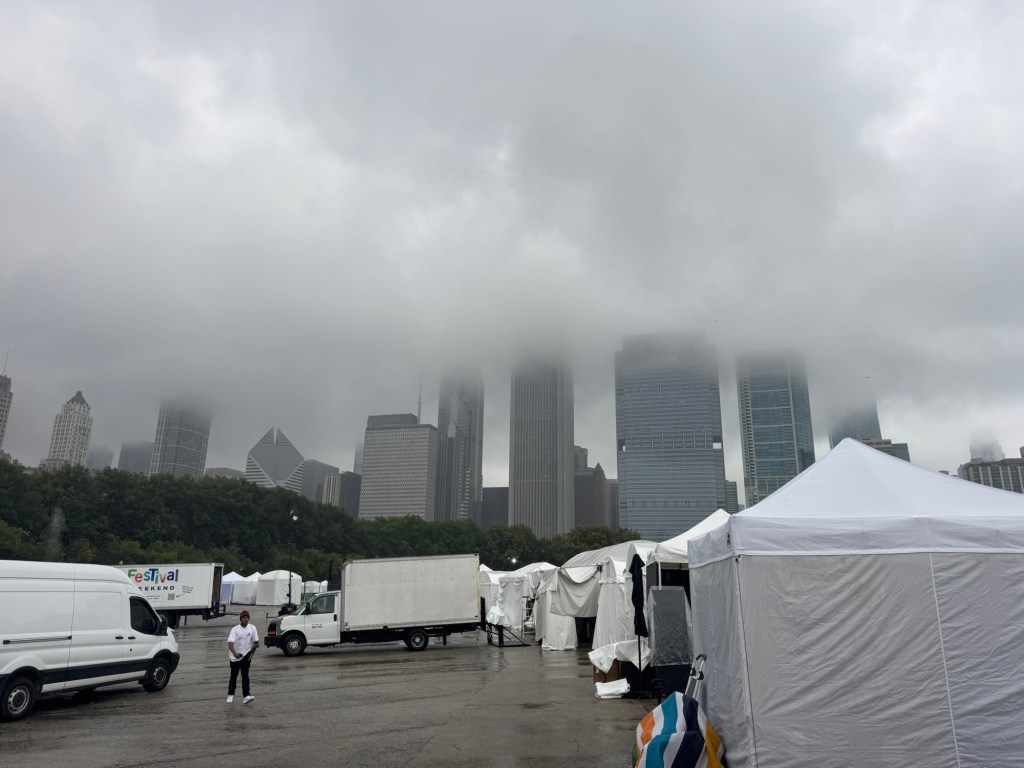
As rain and low clouds swallowed the skyline, we were reminded that uncertainty is part of every journey. Sometimes we cannot see where we are headed, but we keep moving forward anyway, trusting that the view will return when the storm has passed.
The Gift Hidden Inside Hardship
As we packed the last pieces of artwork and loaded the trailer, soaked and tired, I found myself thinking about something important.
This weekend was not a failure.
It was simply a different kind of success.
A success measured not in sales, but in endurance.
Not in profit, but in perseverance.
Not in sunshine, but in spirit.
The rain tested every artist at Gold Coast.
Yet hundreds of us showed up anyway.
We opened our tents.
We greeted visitors.
We protected our work.
We supported one another.
And when it was finally time to leave, we packed everything away and prepared for the next show.
Because that is what artists do.
We create.
We adapt.
We endure.
And sometimes, when the rain is pouring and the skyline disappears into the clouds, we discover strengths we never knew we had.
The artwork will dry.
The tents will dry.
The shoes will eventually dry.
But the lessons from weekends like this stay with us forever.
And perhaps that is the masterpiece hidden inside the storm. ❤️
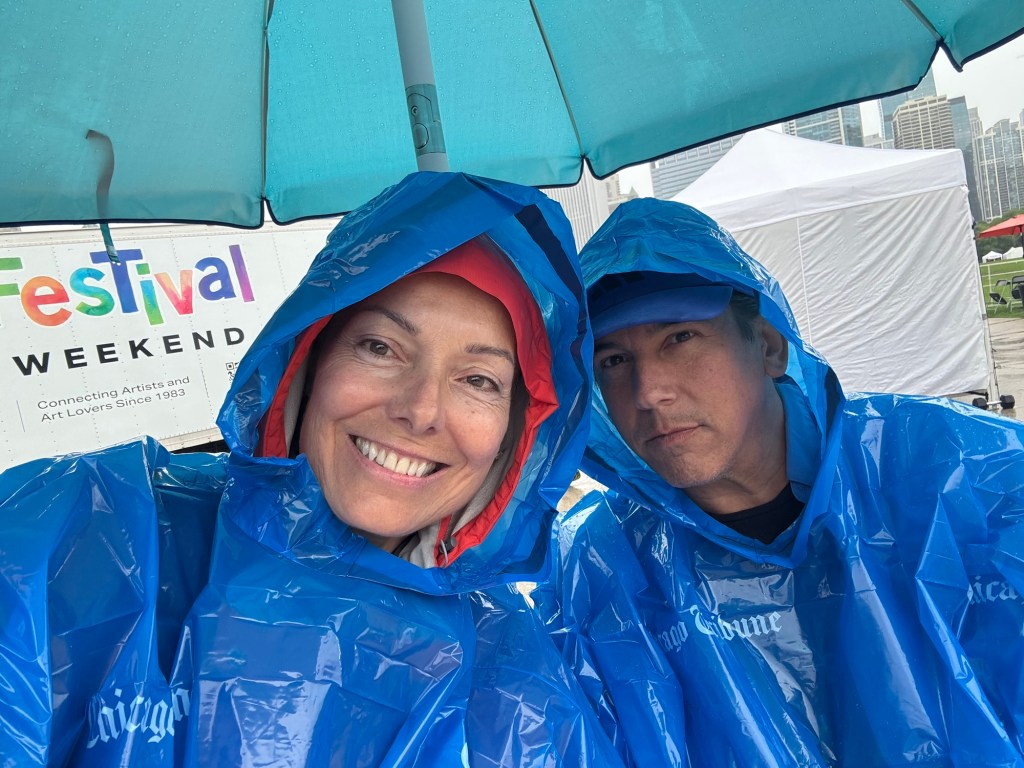
Tired, soaked, and ready for a hot meal, we found ourselves laughing anyway. The rain may have shortened the festival, but it could not wash away gratitude, family, friendship, or the determination to keep moving forward. Tomorrow is another day, another show, and another opportunity to begin again.
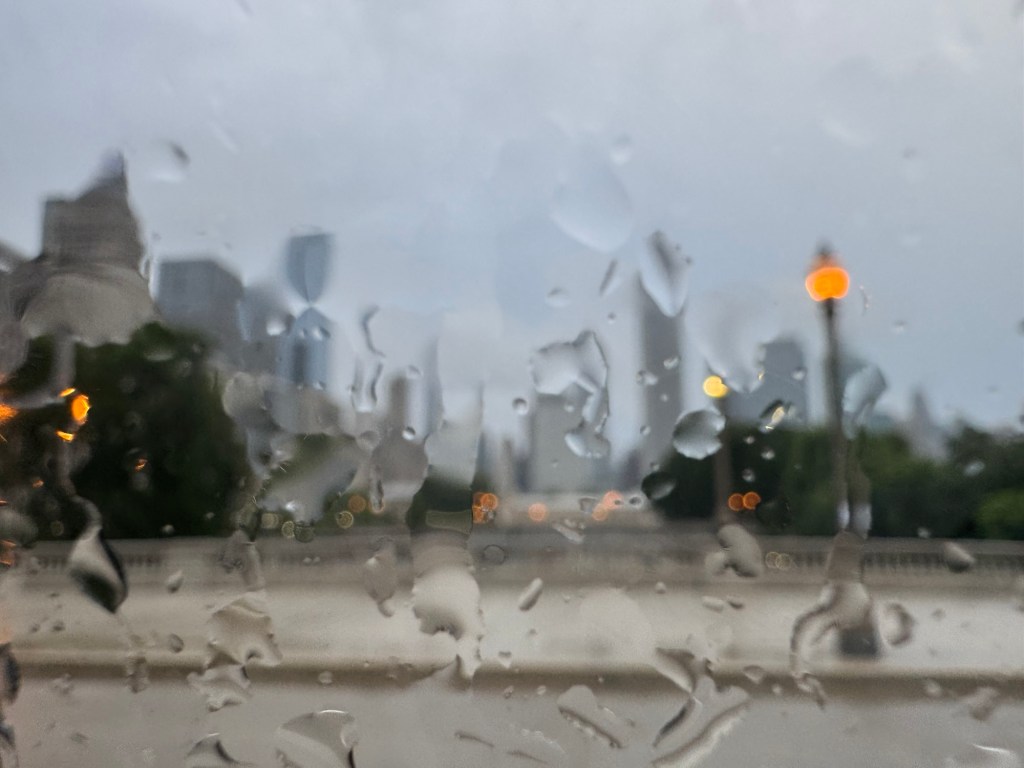
The storm eventually passes. The city remains. So do the lessons.
— Zsuzsanna Luciano, Gold Coast Art Festival, Chicago June 21. 2026
When Silence Disappears from the Wild
There are places in America where people still go to remember who they are.
Not shopping centers.
Not crowded attractions.
Not glowing screens demanding our attention every second of the day.
But forests. Marshes. Riverbanks. Desert trails. Places where the wind moves through pine trees like a prayer and the stars still feel close enough to touch.
For many people, nature is not simply recreation. It is restoration.
It is church.
That is why the recent decision to loosen hunting restrictions across dozens of National Park Service sites has struck such a deep emotional chord across the country.
In January, Interior Secretary Doug Burgum signed an order encouraging federal land managers to remove or justify restrictions on hunting and fishing across numerous federally managed lands. The changes affect various National Park Service units where hunting was already permitted in some form — including recreation areas, preserves, and seashores.
Supporters argue these changes expand access and preserve traditional outdoor activities. Critics worry they erode long-standing safety protections and fundamentally change the experience of public lands that belong to everyone.
And many Americans are asking a simple question:
What happens when the places we once escaped to for peace begin to feel unsafe?
At Lake Meredith in Texas, reports indicate hunters may now be permitted to process game in public restrooms. At Cape Cod National Seashore, hunting seasons may expand further into spring and summer. At other sites, restrictions on tree stands, retrieval vehicles, hunting dogs, and proximity to trails have been loosened or reconsidered.
These are not imaginary fears. They are real policy shifts.
But this conversation is about more than regulations.
It is about values.
For decades, America’s public lands represented something rare in modern life: common ground. Places where a child could hear owls at dusk. Where exhausted parents could sit beside a river and finally exhale. Where photographers wait in silence for first light over the mountains. Where wildlife still moves according to ancient rhythms untouched by politics and noise.
When we enter these places, we enter with an unspoken agreement:
that wild things deserve space to exist beyond human domination.
Conservation icon Jane Goodall once said:
“You cannot get through a single day without having an impact on the world around you. What you do makes a difference.”
And what we choose to protect — or fail to protect — says everything about who we are becoming.
This debate is often framed as hunters versus non-hunters, but that oversimplifies a deeply emotional issue.
Many ethical hunters care deeply about conservation. In fact, wildlife management and habitat protection in America have long included hunters, biologists, photographers, indigenous communities, scientists, and park advocates alike. Responsible hunting, when carefully regulated, has historically played a role in funding conservation efforts and maintaining ecological balance in some regions.
But even many supporters of hunting recognize that public lands require boundaries.
Safety matters.
Wildlife corridors matter.
Visitor experience matters.
And sacred quiet matters too.
Because nature is increasingly becoming the last refuge from a culture built on exhaustion.
People are burned out. Overstimulated. Lonely. Disconnected from the natural world.
And when someone walks into a national seashore, riverway, or preserve, they are not entering a battlefield between ideology and recreation. They are often entering a deeply personal sanctuary.
A grieving widow walking a trail at sunrise.
A veteran trying to calm PTSD through solitude.
A child seeing a fox in the wild for the first time.
A photographer waiting hours in silence for the moment fog lifts from a marsh.
These experiences are not small things.
They are healing.
Jane Goodall also warned:
“Only if we understand, can we care. Only if we care, will we help. Only if we help shall all be saved.”
Understanding begins with recognizing that public lands are not merely resources to be used. They are living ecosystems. They are classrooms. They are sanctuaries for both humans and wildlife.
And increasingly, they are disappearing.
Across America, untouched spaces shrink year after year beneath roads, subdivisions, noise, extraction, and political pressure. True silence has become rare. Darkness free from artificial light has become rare. Even the experience of hearing birdsong without interruption is becoming rare.
That is why people react so strongly when protections are loosened.
Not because they oppose tradition.
But because they fear losing one more piece of what still feels sacred.
There is also a larger ethical question quietly waiting beneath the headlines:
What kind of relationship do we want with the natural world?
One based primarily on control?
Or one based on coexistence?
The answer matters because future generations will inherit whatever version of nature we leave behind.
Will children grow up seeing wildlife primarily as targets and trophies?
Or as fellow living beings sharing a fragile planet?
Will public lands become louder, more mechanized, and more extractive?
Or will they remain places where people can still encounter awe?
A civilization reveals itself not through the power it holds over nature, but through the restraint it chooses to exercise.
The healthiest societies are not those that consume every wild place available to them.
They are the societies wise enough to leave some places gentler. Quieter. Protected.
Not everything valuable must be conquered to have meaning.
Some things deserve reverence.
And perhaps now, more than ever, we need places where both animals and people can still breathe freely beneath open skies.
Because once silence disappears from the wild, we may discover too late that something inside us disappeared with it.
The Journey of the Ruby- Throat Hummingbird
Once upon a time, in a land filled with vibrant colors and magical skies, there lived a brave male ruby-throat hummingbird named Rico. With his shimmering emerald feathers and brilliant ruby throat, he was the pride of the skies. Yet, despite his beauty and speed, his heart longed for something more: a mate to share his life and create a family.
As spring arrived, Rico felt the pull of adventure deep within him. Guided by the warm breezes of the south, he spread his wings and set off on a grand journey to Florida. He soared over mountains and valleys, through bustling cities and tranquil meadows, facing fierce storms and friendly companions along the way. In every flower garden he passed, he stopped to sip nectar and admire the beauty of the world, but his heart remained focused on one goal: to find his true love.
One day, after many long weeks of traveling, Rico arrived at the edge of a lush, enchanted forest. The bright sun shone above, casting a warm glow over the land. As he ventured deeper into the woods, the air filled with the sweet scent of blooming flowers, and a gentle melody of chirping birds played in harmony. Rico’s heart raced with excitement—this could be the place he’d been seeking!
Suddenly, he spotted a stunning female ruby-throat hummingbird gracefully fluttering among a cluster of flowers. Her feathers glistened in the sunlight, and Rico knew at once that she was the one. With a charming display of aerial acrobatics, he danced around her, performing spins and twirls, showcasing his agility and spirit. She chirped in delight, intrigued by his energy and charm.
As they danced together, Rico and his new mate discovered a hidden garden within the forest, filled with the most enchanting flowers blooming in every color imaginable. The garden was a mystery, rumored to be the creation of a kind-hearted forest spirit who had planted the flowers for the birds of the world. The garden was alive, brimming with tantalizing nectar, a perfect paradise for hummingbirds.
The pair spent every day exploring their magical domain, sharing stories in the soft light of dawn and feasting on the vibrant nectar that flowed in abundance for all the hummingbirds. They nested in the branches of an ancient tree, crafting a cozy home filled with soft moss and feathers.
As the seasons changed, more hummingbirds began to arrive, returning year after year, drawn by the charm of the enchanting garden. The hummingbird feeder set up by the kind forest spirit became their gathering spot, where the birds showcased their dazzling dances and shared laughter beneath the blooming flowers.
Rico found joy not only in his newfound love but also in the vibrant community that flourished in the magical forest. Together, as a family, they celebrated life’s little adventures, teaching their young ones to dance, explore, and spread joy throughout the land.
Thus, every year, as the sun warmed the earth and the flowers bloomed anew, Rico and his family would return to their extraordinary garden, living happily ever after in a world filled with love, adventure, and endless nectar waiting for them.
And so, if you ever wander into that mysterious garden, listen closely! You might just hear the flutter of wings and the joyous melodies of a thousand hummingbirds dancing in perfect harmony, celebrating life and love in their magical paradise.
PS: As I settled onto my cozy patio with a warm cup of tea, I glanced at my newly installed solar-powered hummingbird feeder. It was more than just a feeder; it was a window into a world of wonder, equipped with a camera that promised to capture every magical moment of the hummingbird dance. I could hardly wait to witness the beauty it had to offer.
Minutes passed, and soon, a flash of vibrant green caught my eye. A ruby-throat hummingbird zoomed in, its sparkling feathers glistening under the sunlight. I couldn’t help but smile as I watched it approach the feeder, hovering with precision like a tiny helicopter. The camera activated, and I could see the real-time footage on my phone as it transformed my backyard into a lively theater.
The hummingbird drank eagerly from the specially designed feeding ports, its tiny wings a blur. It was as if I was seeing the rainbow up close! The camera zoomed in, giving me an astonishing view of every detail—the delicate iridescence of its throat, the swift flaps of its wings, and even the tiny beads of nectar caught on its beak. It was such a delightful sight that I found myself holding my breath, savoring each fleeting moment.
Suddenly, two more hummingbirds appeared, engaging in a friendly dance of their own. They flitted and darted around one another, showcasing their incredible agility and vibrant colors. My phone captured everything: their playful chases, the way they paused mid-air, and the soft, high-pitched sounds of their chirps filling the air. Each playback brought joy and laughter, as I shared the stunning clips with family and friends.
As the sun set, casting a golden hue over the garden, I felt deeply connected to nature. The solar-powered feeder worked wonders, charging effortlessly while allowing me to enjoy the beauty of these marvelous creatures. Each day unfolded new adventures with new guests visiting my feeder, filling my heart with warmth and joy.
I had turned my simple backyard into a captivating experience, a vibrant spectacle of life, all thanks to this remarkable hummingbird feeder camera. Now, every moment spent watching these birds dance was captured for me to relive and share, creating lasting memories of nature’s extraordinary show. It was a reminder of the beauty and magic that surrounds us, just waiting to be witnessed.
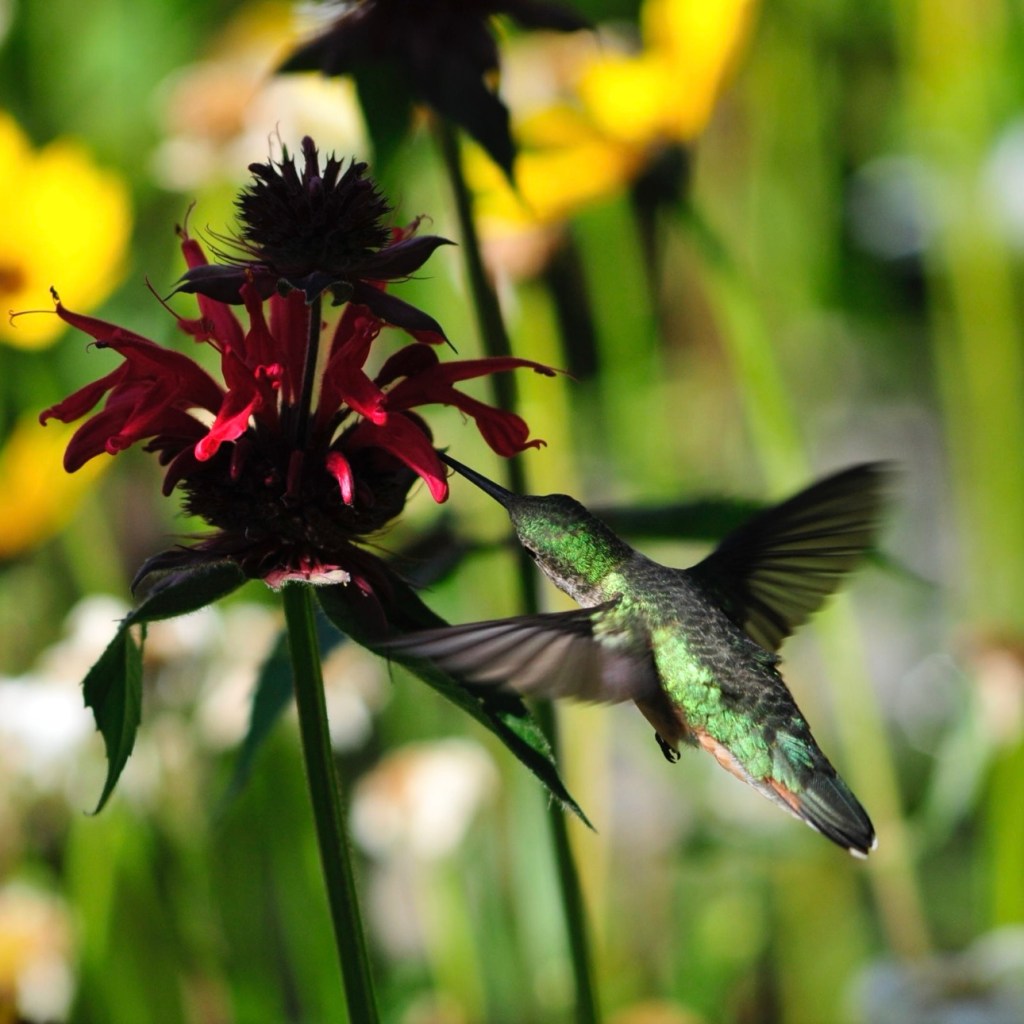

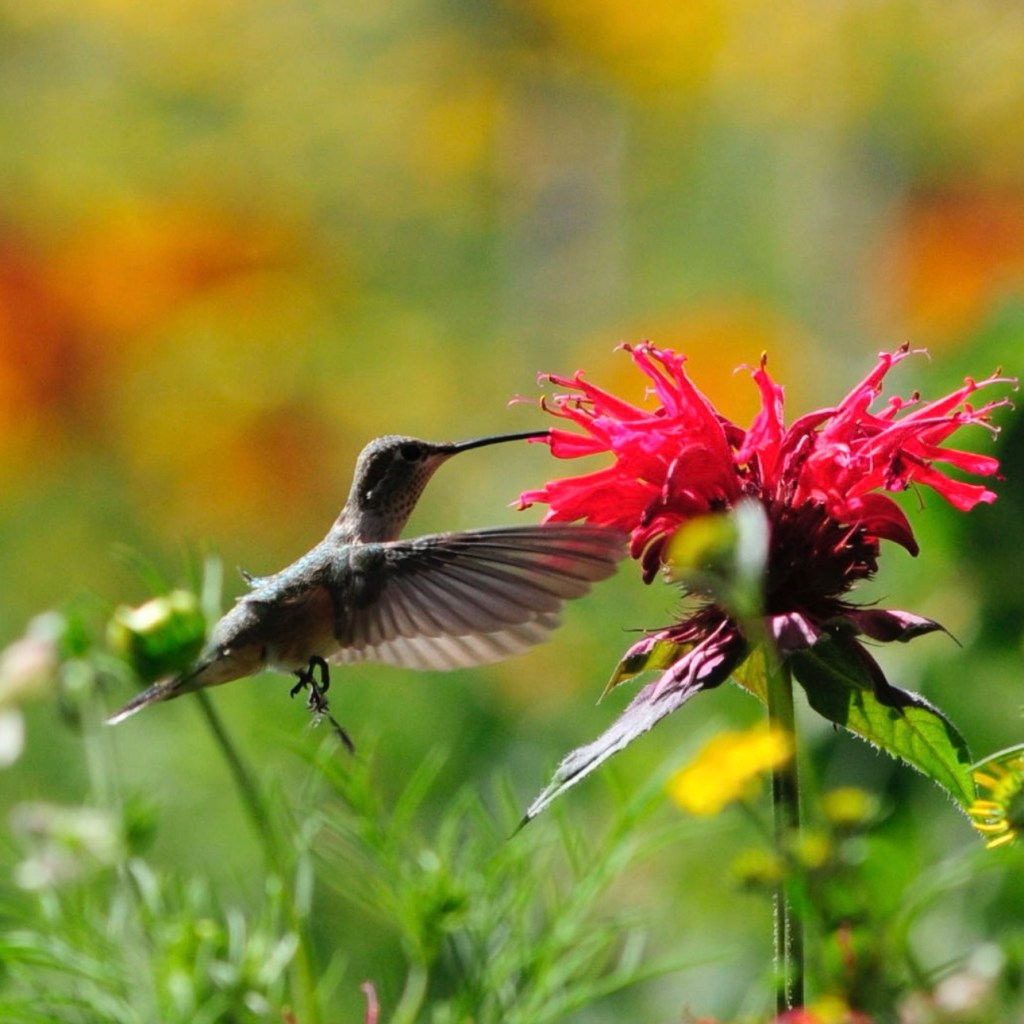
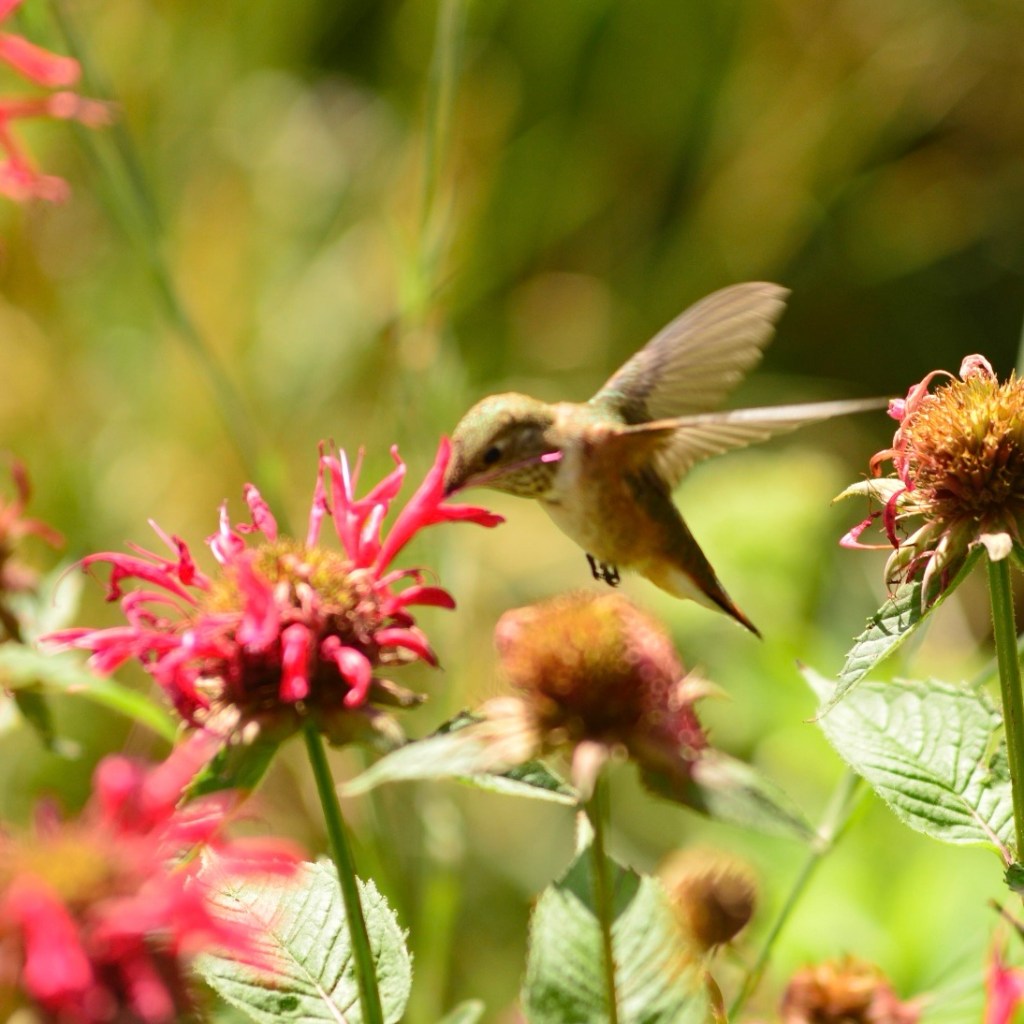
Zsuzsanna Luciano Photographer Named Silver Medalist at International Photographic Competition
Zsuzsanna Luciano of Luciano Photography is honored by peers and jurors for high-quality photography
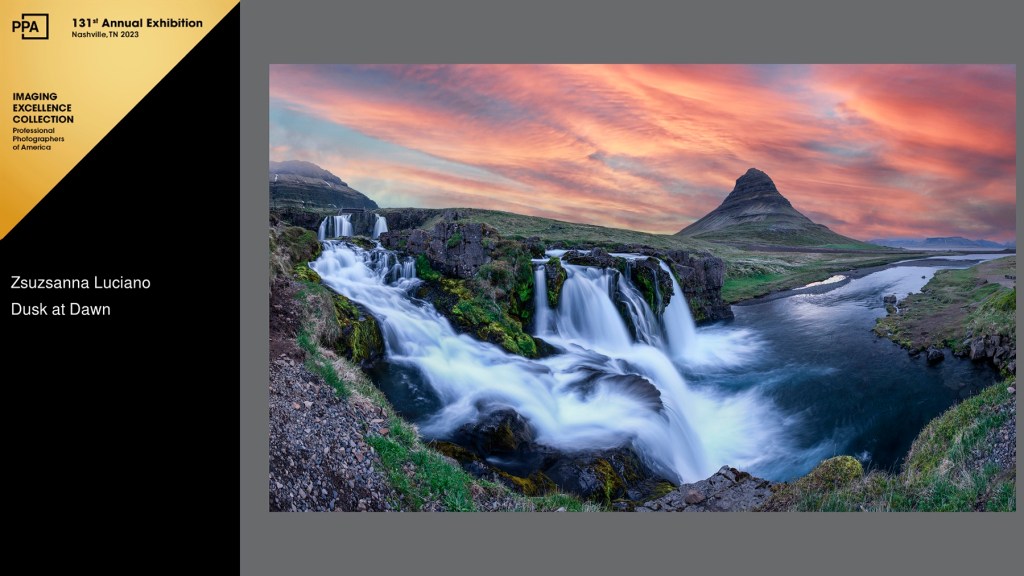
Matawan, New Jersey – Zsuzsanna Luciano of Luciano Photography in Matawan, NJ was named a Silver Medalist during Professional Photographers of America’s 2022 International Photographic Competition.
Luciano’s work will be on display at the upcoming Imaging USA, held January 22-24, 2023 in Nashville, TN. Imaging USA is one of the largest annual conventions and expos for professional photographers.
A panel of 36 eminent jurors from across the United States selected the top photographs from over 5,000 total submitted entries at PPA headquarters in Atlanta. Judged against a standard of excellence, 1,926 images were selected for the Merit Collection and 1,225 (roughly 24 percent) were selected for the esteemed Imaging Excellence Collection—the best of the best. The Imaging Excellence Collection images will all be published in the much-anticipated ” Excellence Collection” book by Marathon Press.
The level of the award is determined by how many of those four images receive the highest possible honor—acceptance into the PPA Loan Collection, which is displayed at photographic exhibitions, conventions, and other photography events. Luciano was named a Silver Medalist, meaning that one of their four merited images entered the PPA Loan Collection. In 2022, they were one of only 81 Silver Medalists.
About PPA:
Founded in 1868, Professional Photographers of America (PPA) is the largest and longest-standing nonprofit photography trade association. It currently helps 30,000 professionals elevate their craft and grow their business with resources, protection, and education, all under PPA’s core guiding principle of bridging the gap between photographers and consumers.
Contact:
Zsuzsanna Luciano
1-732-858-3414
photographyluciano@gmail.com


Raising rising conciseness
I love the taste of Nutella… My whole family loves Nutella… My 11 year old son loves Nutella too.
But today he came to understand that our actions have consequences.
So from today he gave up his Nutella, Kinder and KitKat and whatever else has palm oil.
We had a wonderful day at the Tampa Lowry Zoo. He loves to learn about the animals, he starting to understand the difference between vulnerable or critically endangered species.
I thought every monkey was a monkey.
But my son told me that the ones that don’t have a tail are called apes. And the ones with the tail are monkeys.
I know I have a lot to learn😇
I am always taken by the eyes of the orangutans. It’s like they are telling me something or feeling sad…
As we approached the area where these apes are living my eyes got caught on a sign.
…wild orangutans will be extinct by 2020 because of the habitat loss…That is less than three years from now…
Than I looked back at the mother and the baby and the fact that they will never roam free in a rainforest and they will be forever confined to that small area…I started crying. My son cried with me too.
He asked me -“how is palm oil killing these beautiful creatures? Are they eating it?”
I looked at him. He is so innocent…
I told him – “No my love, they aren’t eating the oil. People are cutting down the rainforest that is their habitat and planting palm trees instead to make palm oil.
Palm oil is a very cheap food and cosmetic additive and people and industries are making a lots of money of it.”
– “I will never eating palm oil anymore!” – he told me.
Than we hugged and cried and hugged even more…
As I looked at the baby orangutan I wished I could change the world.
But maybe we can…
…One Nutella at the time…
-Zsuzsanna Luciano-
PPA Loan Collection 2015
Local Photographer’s Work goes to International Exhibition
Zsuzsanna Luciano of Luciano Photography is honored by peers and jurors for high-quality photography.
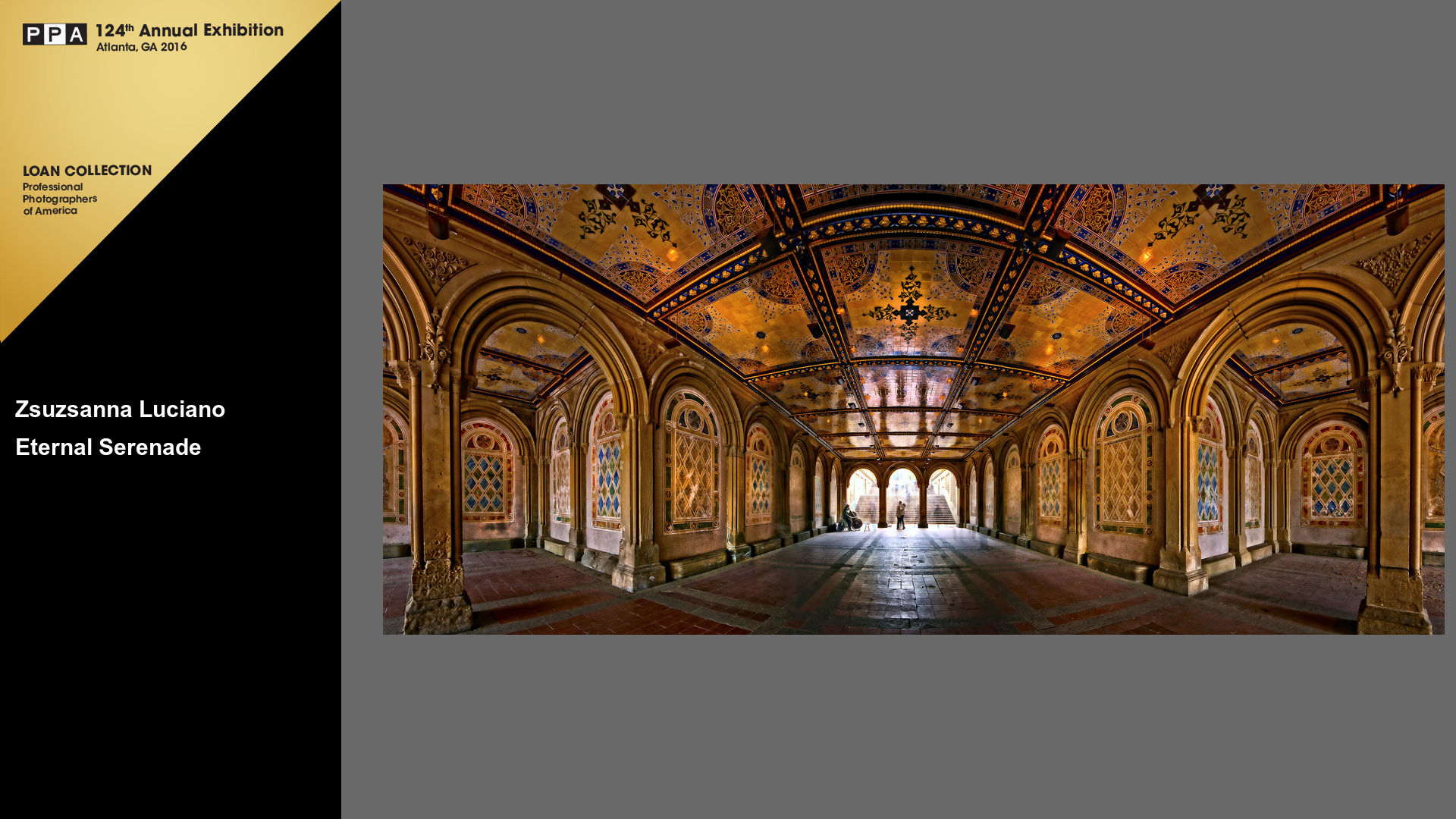
Matawan, NJ December 3, 2015— A photograph created by Zsuzsanna Luciano of Luciano Photography in Matawan has recently been accepted into the Loan Collection of Professional Photographers of America’s 2015 International Photographic Competition. Luciano’s work will be on display at the Georgia World Congress Center in Atlanta, Georgia Jan. 10-12, 2016. This International Photographic Exhibition is held in conjunction with Imaging USA, an annual convention and expo for professional photographers and several photographic associations.
A panel of 43 eminent jurors from across the United States selected the top photographs from more than 5,000 total submitted entries at Gwinnett Technical College in Georgia. Judged against a standard of excellence, just over 2,100 images were selected for the General Collection and 1,085 (roughly 21 percent) were selected for the esteemed Loan Collection—the best of the best. The Loan Collection images will all be published in the much-anticipated “Loan Collection” book and over 200 selected General Collection images will be published in the “Showcase” book by Marathon Press.
Titled “Eternal Serenade” Luciano’s photograph will be in the International Photographic Exhibition alongside other top photographic works from the competition and traveling and special invitational displays. These images constitute one of the world’s largest annual exhibits of professional photography gathered simultaneously under one roof.

About PPA:
Professional Photographers of America (PPA) is the largest international non-profit association created by professional photographers, for professional photographers. Almost as long-lived as photography itself, PPA has roots that date back to 1869. It assists more than 28,000 members through protection, education and resources for their continued success. See how PPA helps photographers be more at ppa.com.
Contact:
http://www.ZsuzsannaLuciano.com


