Posts tagged ‘Florida wild’
Florida’s Black Bears in October: A Season of Urgency and Abundance
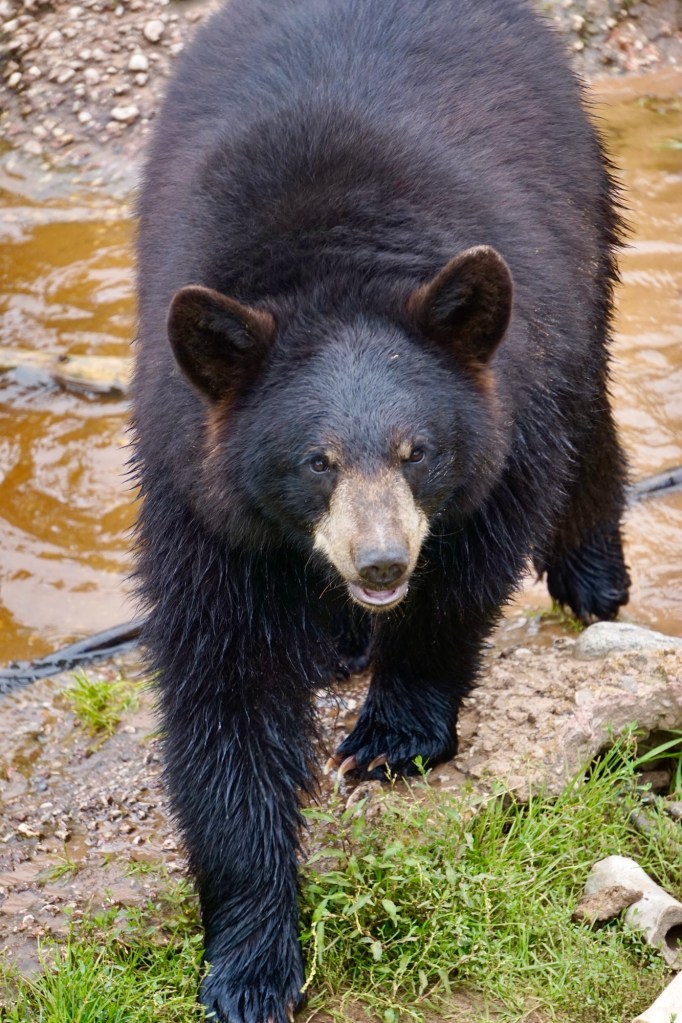
“The golden light of fall catches the sheen of a bear’s coat — a reminder that even in Florida’s warmth, nature prepares for change.”
October in Florida is a month of transition—not only for people trading swimsuits for light jackets, but for the state’s black bears, who enter a season of intense preparation. As the air turns slightly cooler and the daylight shortens, these wild residents of Florida’s forests, hammocks, and swamps shift their focus entirely to one thing: food.
Feeding for the Future
Unlike their northern relatives, Florida black bears don’t face months of deep snow or a long, frozen winter. Still, they instinctively prepare for leaner times by entering a phase called hyperphagia—a biological frenzy of eating. During October, a bear’s day is ruled by its stomach. They spend up to 20 hours foraging, searching tirelessly for high-calorie foods to build fat reserves that will sustain them through the cooler months when natural food becomes scarce.
In Florida’s oak and palmetto forests, acorns become the prized treasure. Bears crunch through the underbrush searching for patches of fallen nuts, sometimes traveling miles between feeding spots. They also feast on saw palmetto berries, wild grapes, beautyberries, and the last persimmons of the season. Opportunistic and highly adaptable, a bear will also dig for grubs, raid anthills, or peel bark for beetle larvae. Every calorie counts.
Solitary Wanderers with Overlapping Paths
Florida black bears are mostly solitary by nature, but during this time, their paths cross more often than usual. When food is abundant, multiple bears may feed in the same area with a quiet tolerance for each other. You can almost sense an unspoken truce—a mutual understanding that October’s bounty won’t last forever.
Mothers with cubs often stay close to reliable feeding zones, teaching their young where to find seasonal foods and how to prepare for the coming months. Young males, on the other hand, begin wandering farther—sometimes covering dozens of miles—to establish their own ranges. This seasonal wandering often brings bears closer to human communities, especially in suburban areas where trash cans and fruit trees mimic easy natural meals.

“Florida’s bears are excellent climbers — they’ll scale trees to escape danger, nap in the canopy, or scout for ripe fruit.”
The Conservation Challenge
For wildlife biologists and conservationists, October is a reminder of how crucial natural food sources are to the bears’ survival. When forests produce good mast crops—especially acorns and palmetto berries—bears stay deep in the woods. But in poor crop years, they’re more likely to follow their noses into neighborhoods. This is when education and coexistence matter most.
Securing garbage, removing bird feeders, and harvesting fruit from backyard trees may seem small, but they’re acts of conservation. Every human choice that keeps bears wild and wary helps preserve not only their safety but also the delicate balance of Florida’s wild spaces.
A Quiet Pause Before Winter
By late October, as the bear’s body grows heavier and their fur thickens, the pace begins to slow. In some northern parts of the state, they’ll retreat to sheltered dens—under fallen logs, in dense thickets, or beneath the roots of old trees. In the subtropics, where winter is mild, many remain active year-round, emerging on warm days to forage or explore. But even there, a calm descends over the forests—a sense that the rush of the season has passed.
Florida’s black bears remind us that even in the heat of the South, the rhythms of nature endure. Their October dance of hunger and preparation is as old as the land itself—a story of resilience, adaptation, and the quiet intelligence of wild creatures who still find a way to thrive in a rapidly changing world.
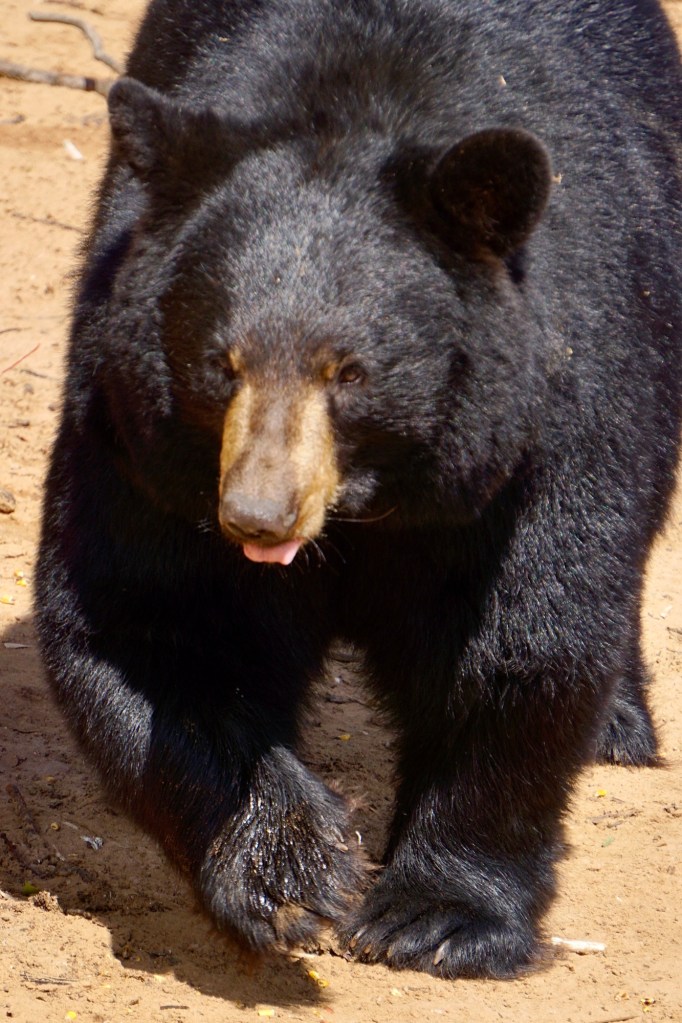
“A Florida black bear on the move — October’s mission: eat, explore, repeat.”

 Luciano Photography