Posts tagged ‘fine art photography’
January Milestones, Gallery News & Upcoming Shows
Fine Art & Conservation Photography by Zsuzsanna Luciano Master Photographer
January was a big month — and I’m excited to share what’s been happening and what’s ahead!
Celebrating a Major Milestone
I’m thrilled to share that in January I received my Master Photographer degree from Professional Photographers of America (PPA) in Nashville. This has been a long-term goal and a deeply meaningful moment in my photographic journey. I’m incredibly grateful for the support, encouragement, and community that helped make this possible.
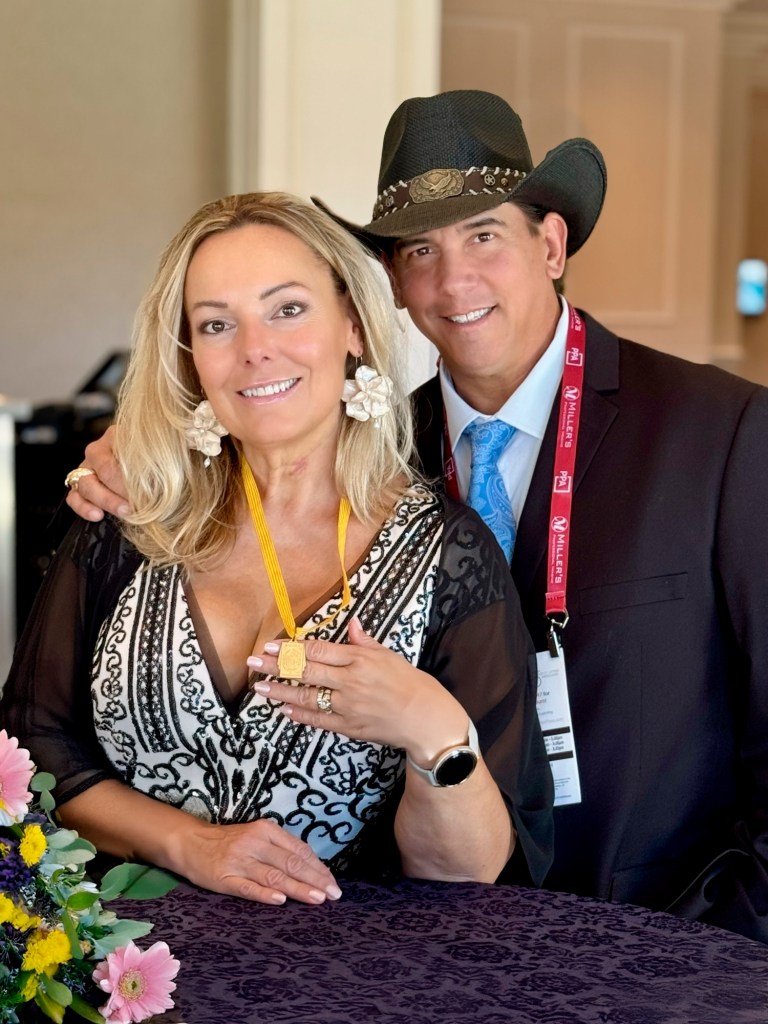
Grateful doesn’t even begin to cover it. This moment represents years of growth, perseverance, and the incredible people who supported me along the way.
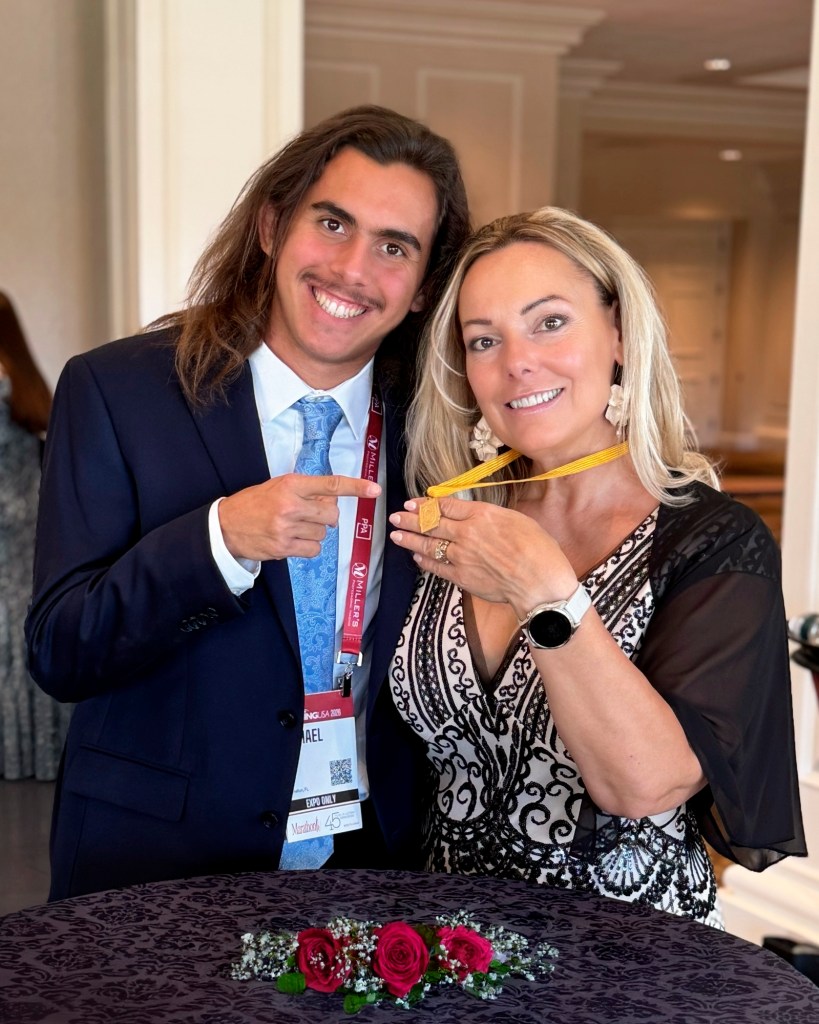
This moment is about more than a medal — it’s about the people who believed in me, supported me, and celebrated right alongside me.
Looking ahead, I plan to bring the artistry and craft behind this achievement into every image I create and every teaching experience I offer.
Gallery News — Dunnellon, Florida
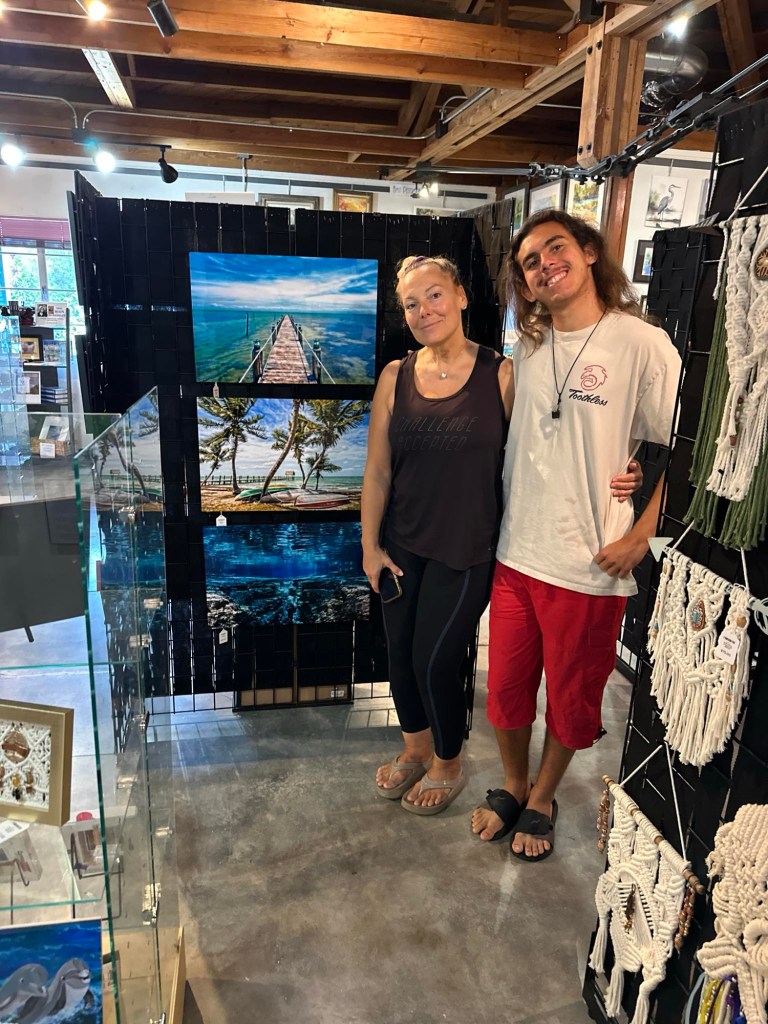
I’m also delighted to announce that I’ve joined Rainbow Springs Art Gallery in Dunnellon, FL. My work is now part of their permanent display, and I’m honored to be represented by such a wonderful local gallery.
Coming soon: beginning March 5, I’ll be teaching a photography class right at the gallery! This is a chance for you to dive deeper into the art of photography, refine your skills, and explore creative expression. I’ll share registration details and more information soon — I’d love to see you there.
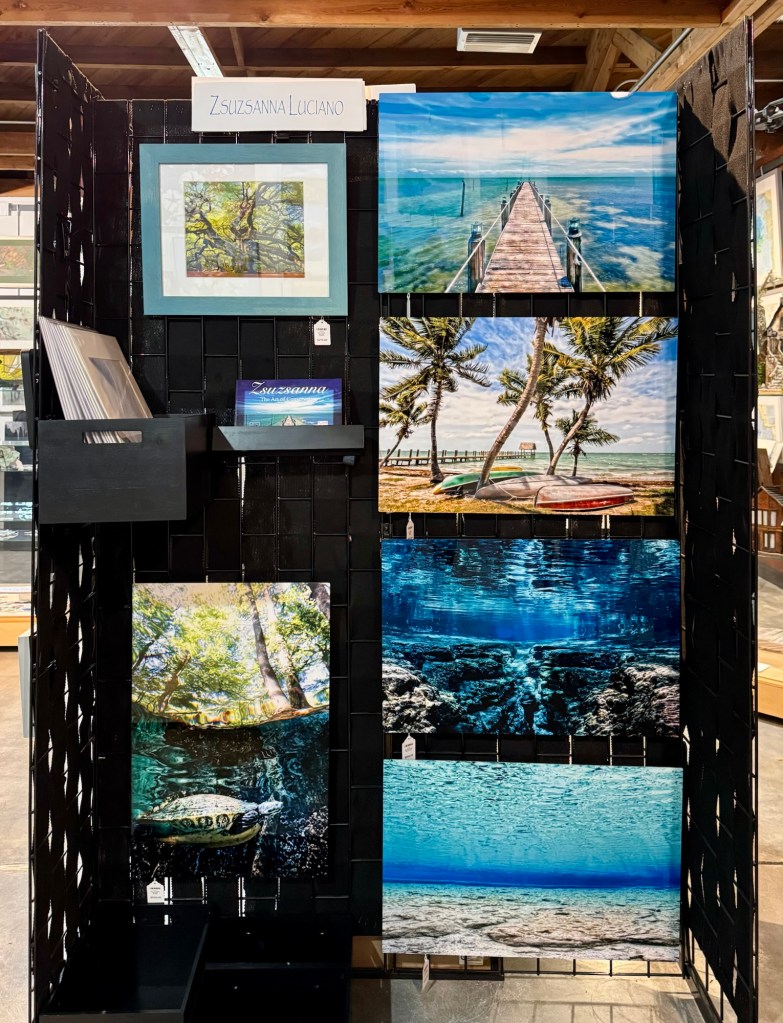
Where art, nature, and storytelling meet.
Where You Can Find Me & My Work
Here’s my February & March show schedule — I hope to see you at one of these art festivals and events!
Jan 31–Feb 1, 2026 — 51st Annual Mount Dora Art Festival
Feb 7–8, 2026 — 38th Annual Downtown Sarasota Art Festival
Feb 14–15, 2026 — 20th Anniversary Coconut Point Art Festival
Feb 20, 2026 — New Artist Reception at Rainbow Springs Art Gallery
Feb 21–22, 2026 — 60th Key West Arts & Crafts Festival
Feb 28–Mar 1, 2026 — 38th Annual Las Olas Art Fair Part II
Mar 7–8, 2026 — 36th Annual Art Fest by the Sea
Mar 14–15, 2026 — 4th Annual Downtown Sarasota Fine Art & Craft Fair
I’ll also be sharing reminders and behind-the-scenes moments on social media — follow along for updates, visuals, and more.
Thank You for Being Here
Your support means the world to me. Whether you’ve subscribed, visited a show, sent a kind message, or followed along on social media — thank you for being part of this creative journey.
If you have questions about the gallery, upcoming teaching opportunities, events, or my photography, I’d love to hear from you!
Connect With Me
Riding the River Into the New Year
The New Year did not arrive for me with fireworks or sudden resolutions.
It arrived quietly, carrying the weight of a long season of healing.
Both of my knees were injured last May—meniscus tears that turned ordinary movement into something slow, deliberate, and often painful. Healing has not been linear. It has been humbling. Some days my body whispered patience; other days it demanded it. I still cannot run. And yet, in that limitation, life kept inviting me forward.
Summer arrived anyway.

It was bittersweet. Hiking—one of my greatest joys—was reduced to shorter, carefully measured trails. There was inflammation, swelling, and the constant negotiation with pain. But instead of focusing on what I lost, I learned to ask a different question: How fully can I still show up?
The answer surprised me.
We traveled. We explored. We laughed. I maximized every return on effort—not by pushing harder, but by being more present. Family adventures unfolded that I will carry with me forever. New photographic editions emerged by the dozens. Chicago-area art festivals filled my calendar, not as obligations, but as celebrations of connection and creativity.
And then there was Yellowstone.
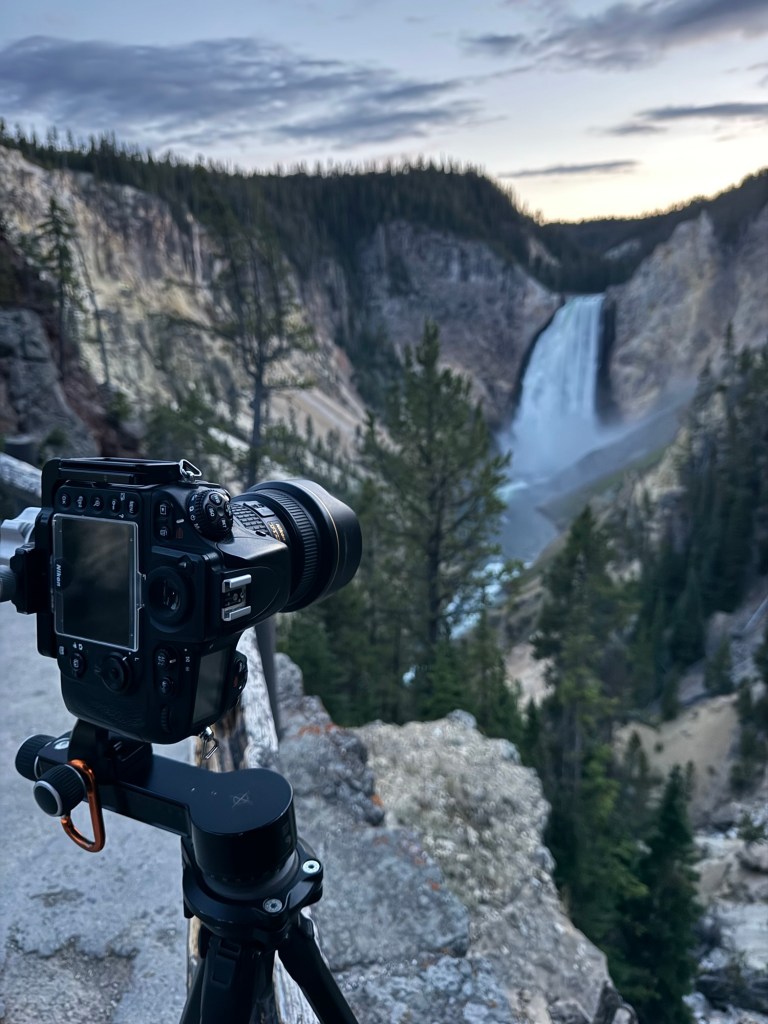
Something ancient awakened there. I made discoveries that felt less like photographs and more like conversations—with land, with light, with time itself. I fell in love with grizzlies, not as symbols of power, but as teachers of presence and respect. Later, in Sturgis, I created a photojournal of biker characters—raw, human, unapologetically themselves. Different worlds, same truth: authenticity always leaves a mark.
All of that work—every mile walked slowly, every image created through discomfort—quietly bore fruit. Those summer discoveries carried me across the finish line for my final three merits with PPA. They led me to something I had worked toward for years: the Master Photographer title, awarded by the oldest nonprofit photography organization in our field.
Not as a finish line—but as a confirmation.
As if that weren’t enough, just yesterday an email arrived from Rainbow Springs Art, our local gallery in Dunnellon. They accepted my work for permanent exhibition. Beyond the honor, what moved me most was who they are: an organized, talented, generous community of artists. They even offer a classroom within the gallery—and when I proposed teaching photography on location, they welcomed both the idea and my curriculum immediately.
The doors are opening because I am ready to walk through them—calmly.
Today, I’m sitting at the Palm Beach Gardens show, talking with customers, sharing stories of travel, wildlife, resilience, and art. There is an unexpected peace here. On Tuesday, I will walk a stage in Nashville, Tennessee, to receive that Master of Photography title—and instead of nerves, I feel grounded gratitude.
This year, I made myself a promise:
I will not let a single day—or a single opportunity—slip by unnoticed.
I will ride this great river of life at whatever speed it asks of me—fast when it surges, slow when it teaches.
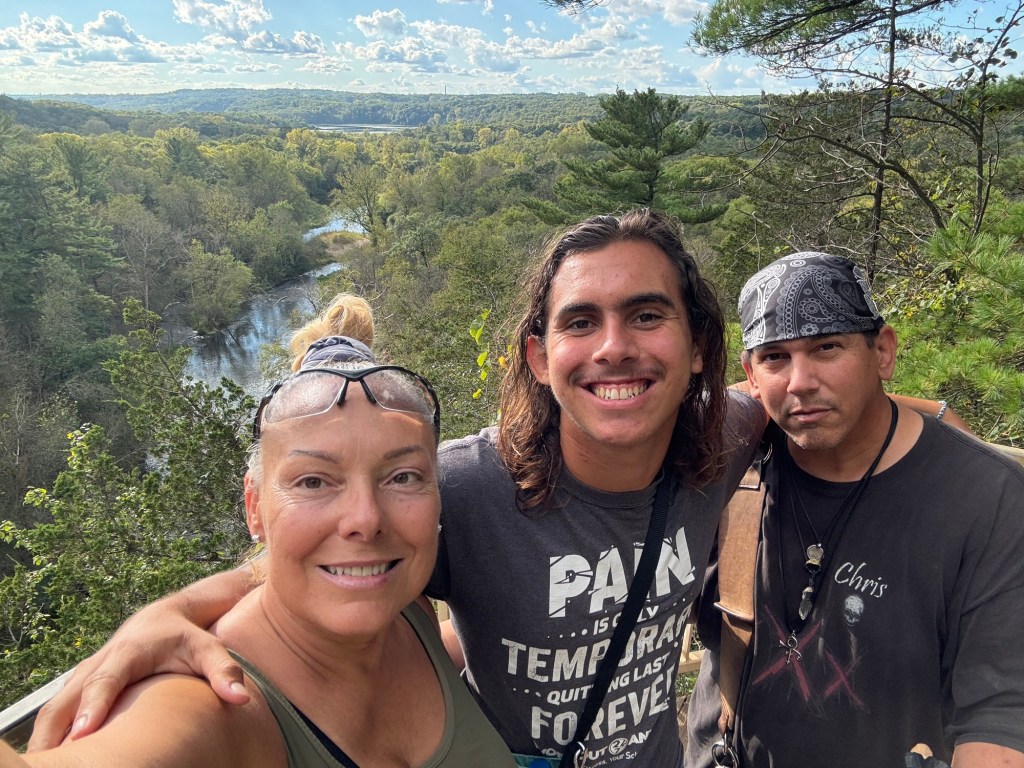
We are leaving behind the Year of the Snake and entering the Year of the Fire Horse.
And yes—I feel on fire.
Not the frantic kind of fire, but the steady burn of purpose. Something in my core is brighter now. I finally understand why I must share my passion—not to impress, but to illuminate.
We are not here to suffer through life.
We are here to evolve.
Suffering and pain are inevitable. But meaning is a choice. Growth is a direction. I share my struggles not for pity, but for truth—so you can see that even in the darkest seasons, nothing is wasted. Everything has its place.
Piece by piece.
Discovery by discovery.
Lesson by lesson.
I may not be able to run right now—but I discovered swimming. I discovered flow. I discovered trust.
And perhaps that is the real mastery:
Not conquering pain—but allowing it to guide us toward a deeper alignment with who we are becoming.
Here’s to the river.
Here’s to the fire.
Here’s to a year lived fully—exactly as it unfolds.
🌌 When the Sky Dances: How the Aurora Borealis Affects the Human Body and Mind
By Zsuzsanna Luciano, Fine Art Conservation Photographer
Last Year, I Lost My Direction Beneath the Northern Lights
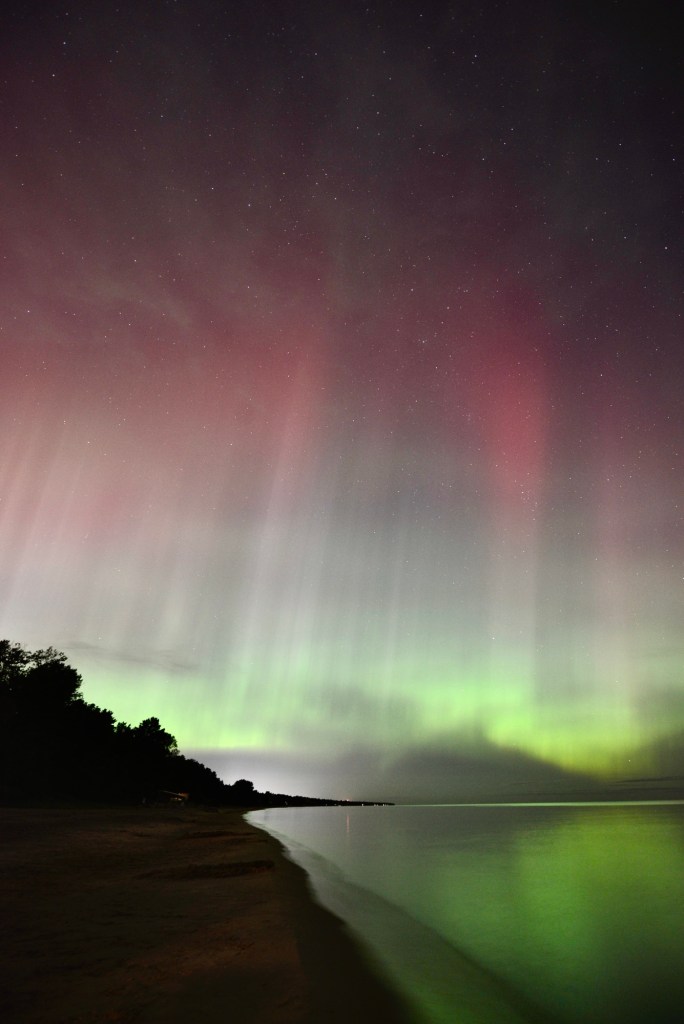
Last fall, I found myself deep in the Wisconsin woods, bundled in wool and fleece, standing under a sky that shimmered like a celestial ocean. The aurora borealis was directly overhead for several hours – green flames twisting into violet ribbons, pulsing and expanding like some living cosmic entity.
I was there to photograph it. But something strange happened.
I lost my sense of direction. Not poetically. Literally. My inner compass—normally sharp from years of navigating wilderness—just shut off. I walked in the wrong direction for nearly an hour one night, convinced I was heading back to our camper.
I felt euphoric, mesmerized, and oddly disconnected from time. And it turns out, I’m not alone.
What Exactly Is the Aurora Borealis?
The aurora is caused by charged particles from the sun colliding with gases in Earth’s atmosphere. These interactions generate breathtaking light displays—commonly green, but also pink, purple, red, and even blue.
It’s more than just pretty lights. The aurora is an electromagnetic phenomenon, affecting Earth’s magnetic field—and possibly us humans, too.
The Surprising Effects on the Human Body
🧭 1. Magnetic Confusion: Your Internal GPS May Malfunction
Did you know your brain contains tiny magnetic particles called magnetite? Like migratory birds, humans may use Earth’s magnetic field for orientation.
When auroral activity is strong, that magnetic field fluctuates—and that might throw off your sense of direction.
When I was under the aurora for multiple nights, I completely lost my bearings. GPS helped, but something inside me wasn’t working the same. It’s both fascinating and a little spooky.
😵💫 2. Dreamy, Euphoric, and a Bit Foggy
Many aurora-watchers report experiencing:
A dreamlike or timeless state Deep emotional surges—tears, awe, peace Cognitive fog, forgetfulness, or mild confusion
Scientists suggest this could be due to:
Melatonin disruption (the light confuses your sleep-wake cycle) Electromagnetic brainwave interaction, which may influence emotion or perception Sleep deprivation and overstimulation from the experience itself
Personally, I felt like I was floating through a lucid dream I didn’t want to wake from. My camera kept me tethered to reality, but barely.
📸 3. The Photographer’s Experience: Art, Exhaustion, and Ecstasy
Photographing the aurora is a unique blend of technical patience and emotional overwhelm. You wait for hours in the dark, monitor cloud cover, adjust your camera with freezing fingers… and then—boom—the sky explodes.
But it takes a toll:
Extreme cold (I’ve shot in -22°F with a camera battery tucked in my bra!) Sleep deprivation (auroras peak between 10 p.m. and 2 a.m.) Isolation and mental strain, especially during multi-night shoots
During one shoot in Iceland, I lived off trail mix and instant coffee for four days, barely sleeping between bursts of light and wonder. I wasn’t tired at the time—but I crashed hard afterward.
Are There Healing Effects of the Aurora?
Some believe auroras have healing properties, particularly in the realm of energy and bioelectromagnetism. While research is still emerging, anecdotal experiences include:
Vivid dreams and increased intuition Enhanced meditative or spiritual states A sense of deep reconnection with nature and the cosmos
📘 Curious? Explore Bioelectromagnetics Journal
Fascinating Aurora Facts
🌍 Other planets have auroras—Jupiter’s are enormous 👂 Some people hear them—a faint crackling or hissing sound 🐾 Animals, including whales and reindeer, react to auroral shifts 📸 You can photograph auroras in real-time with high ISO and a tripod 📱 Use apps like My Aurora Forecast to plan your night
Final Thoughts: When the Lights Find You
The aurora borealis isn’t just something to see—it’s something that happens to you. It changes your rhythm, your senses, even your perception of time and direction.
As a photographer, I live for these moments. But as a human being, I leave changed each time.
So if you ever find yourself under a sky that glows like a living flame, don’t be surprised if you forget where you are—or even who you are—for just a little while. That’s part of the magic.
About Me
I’m a fine art conservation photographer traveling across North America with my husband and son. When I’m not exhibiting at juried art festivals, I chase storms, wildlife, and the mysteries of the natural world. Follow along on IG or join my newsletter for behind-the-scenes stories and new limited edition art drops.


 Luciano Photography