Posts tagged ‘community engagement’
What We Are Being Told — And What We Still Need to Ask
Today, the City of Dunnellon released an official statement regarding the railroad tie fire.
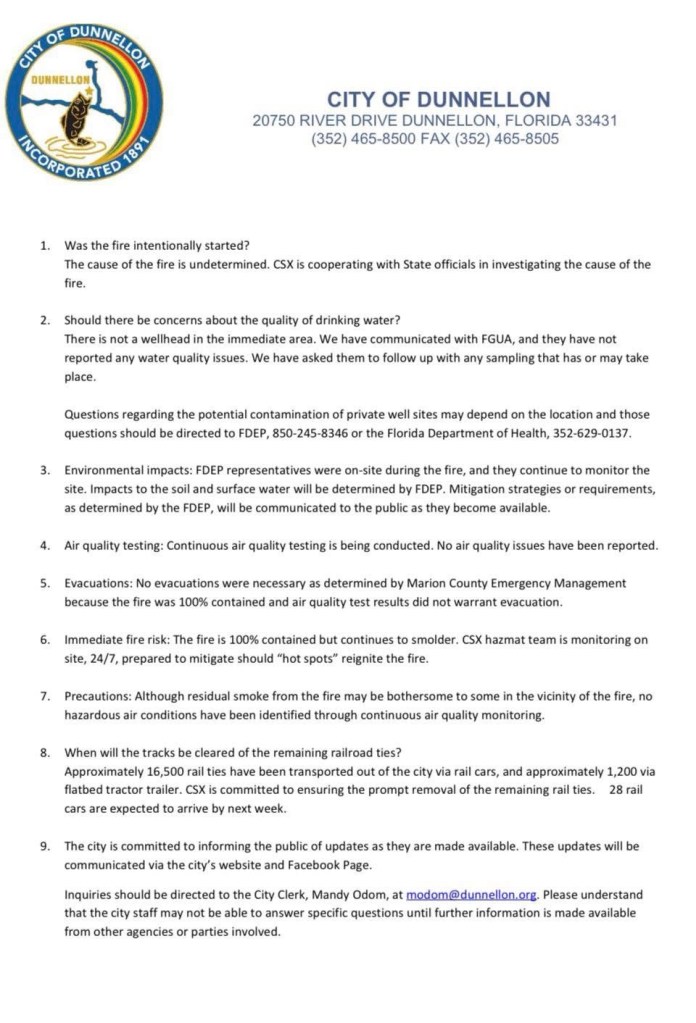
The message is measured. Reassuring in tone. It tells us that the cause of the fire is undetermined, that state agencies were present, that air and water testing have not shown immediate concerns, and that large numbers of railroad ties are in the process of being removed.
This information matters. It should be read carefully.
It also deserves context.
According to the statement:
The fire is contained, though it continues to smolder. Continuous air quality monitoring has not identified hazardous conditions. No immediate drinking water issues have been reported by utilities. Environmental impacts to soil and surface water are still being evaluated. Tens of thousands of treated railroad ties are being transported out of the area. The public will be updated as information becomes available.
These are facts as currently presented.
But environmental stewardship requires us to ask not only what is known today, but also what is not yet known—and who has, or has not, been brought into the conversation.
The Question of Proximity
After reading the statement, I went to Rainbow Springs State Park.
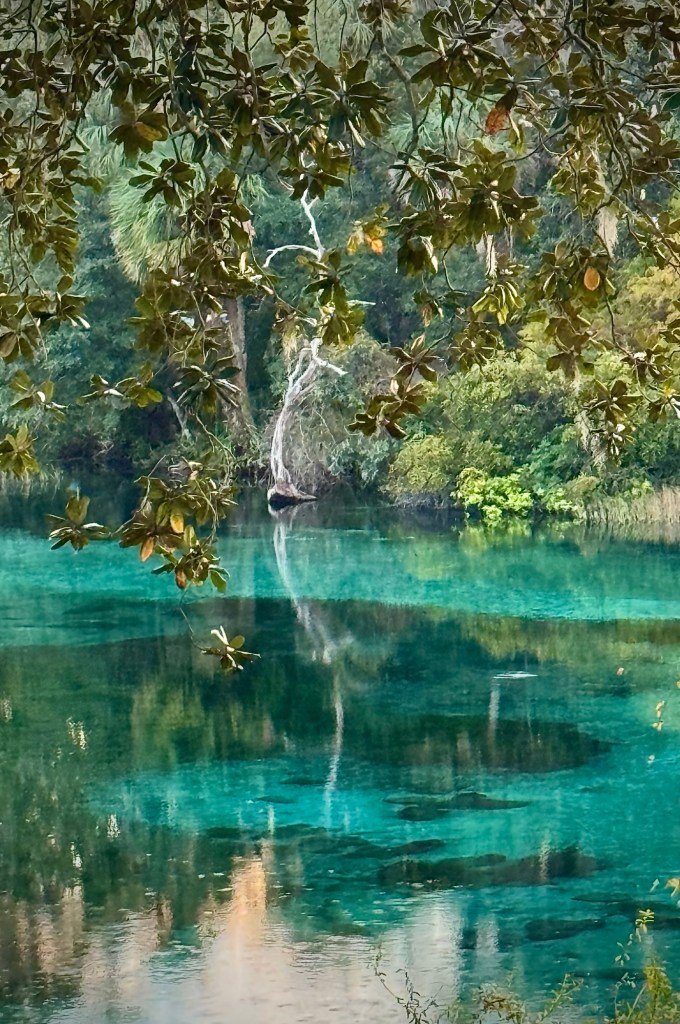
I swam in the head spring.
Before entering the water, I asked a ranger a simple question:
Has anyone contacted the park about the fire next door?
Her answer was just as simple.
No.
No outreach.
No briefing.
No communication.
This is not an accusation. Rangers are not decision-makers. They are stewards of a place that exists to protect water, wildlife, and public trust.
But the absence of communication matters.
Rainbow Springs is not an abstract neighbor. It is hydrologically connected land. It is habitat. It is recreation. It is a window into the aquifer itself.
Water does not wait for press releases.
What Monitoring Can—and Cannot—Tell Us
The statement emphasizes that no air or water quality issues have been identified so far. That distinction is important.
Environmental contamination is often slow, not immediate.
It can take time for compounds to move through soil.
It can take years for patterns to appear in groundwater.
Monitoring tells us what instruments detect at the moment of testing. It does not eliminate the need for transparency, independent verification, and long-term follow-up—especially when the material involved is chemically treated wood designed to resist decay.
This is not fear.
This is how environmental science works.
What Remains on the Ground
The most important line in the statement may be the one that receives the least attention:
the acknowledgment that many railroad ties remain and that removal is ongoing.
That matters because the fire itself was not the only risk.
The stockpile was.
And until the site is fully cleared, stabilized, and assessed—not just for air, but for soil and water pathways—the story is not finished.
Why I Photographed the Springs
I photographed the landscape and water at Rainbow Springs not to suggest contamination, and not to alarm.
I photographed it to remind us what is being protected.
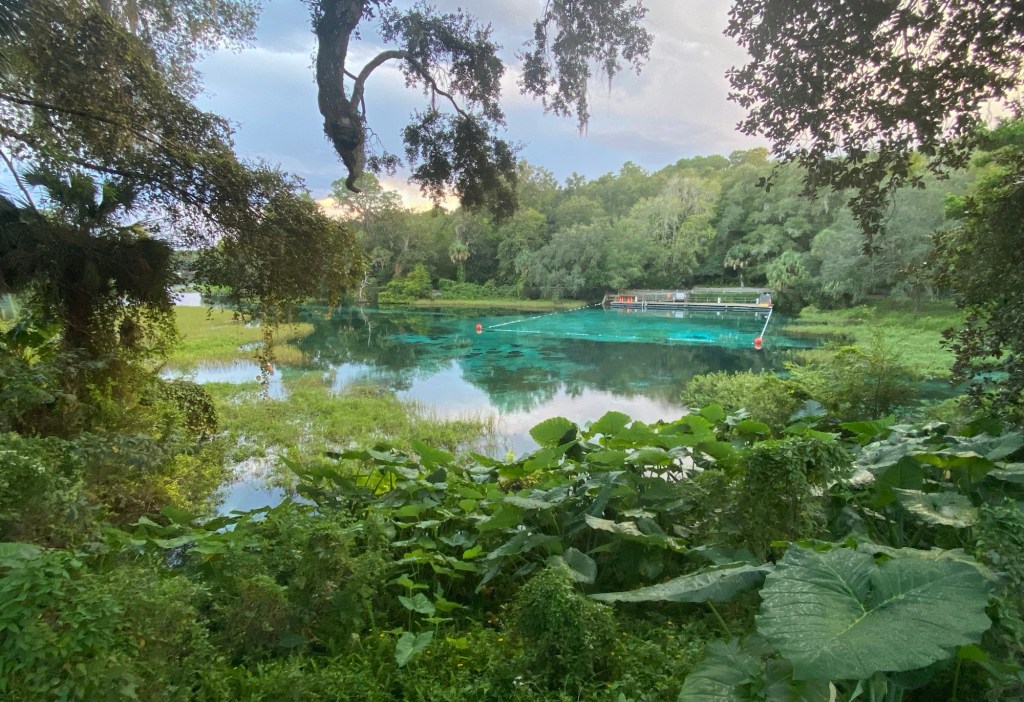
Clear water.
Submerged grasses.
Reflections of forest and sky.
These are not luxuries. They are indicators of ecological health that took centuries to form and could be altered far more quickly than we realize.
Hope begins with attention.
A Call for Connection, Not Conflict
This is not a call for panic.
It is a call for coordination.
State agencies, city officials, utilities, and land managers all have roles to play. Communication between them—and with the public—is not optional when shared resources are involved.
Transparency builds trust.
Silence invites speculation.
The people who live here, swim here, drink this water, and raise families here deserve to be part of the conversation—not after decisions are complete, but while they are being made.
We Are Still Here
I will continue to document what I see.
I will continue to read what is released.
And I will continue to believe that caring, asking, and paying attention are acts of hope—not opposition.
This place matters.
And what we do now will shape how it looks, feels, and sustains life long after the smoke has cleared.

 Luciano Photography